A Japanese Burnisher

This week I am guest blogging on the The Book and Paper Gathering, a site which delivers conservation information in a light-hearted, easy-to-digest manor.  A conservation magazine, rather than a peer reviewed journal. It is well worth spending some time reviewing their previous posts.

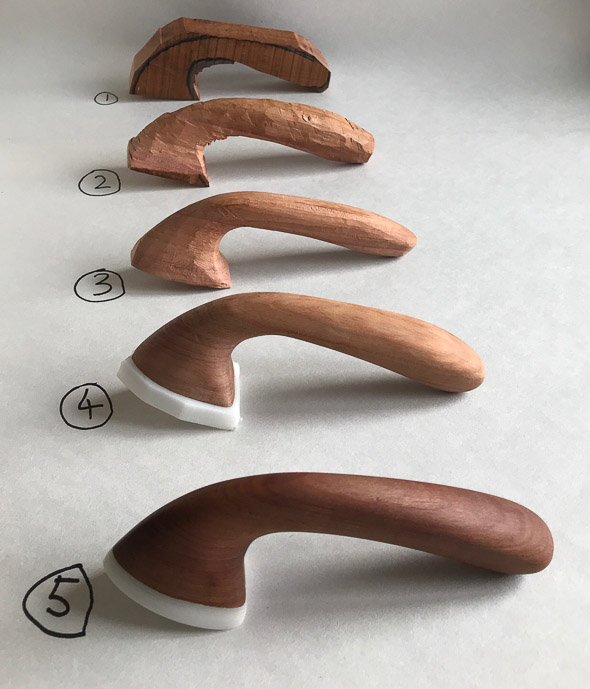
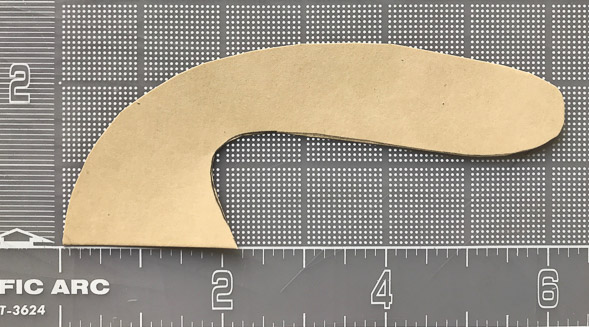
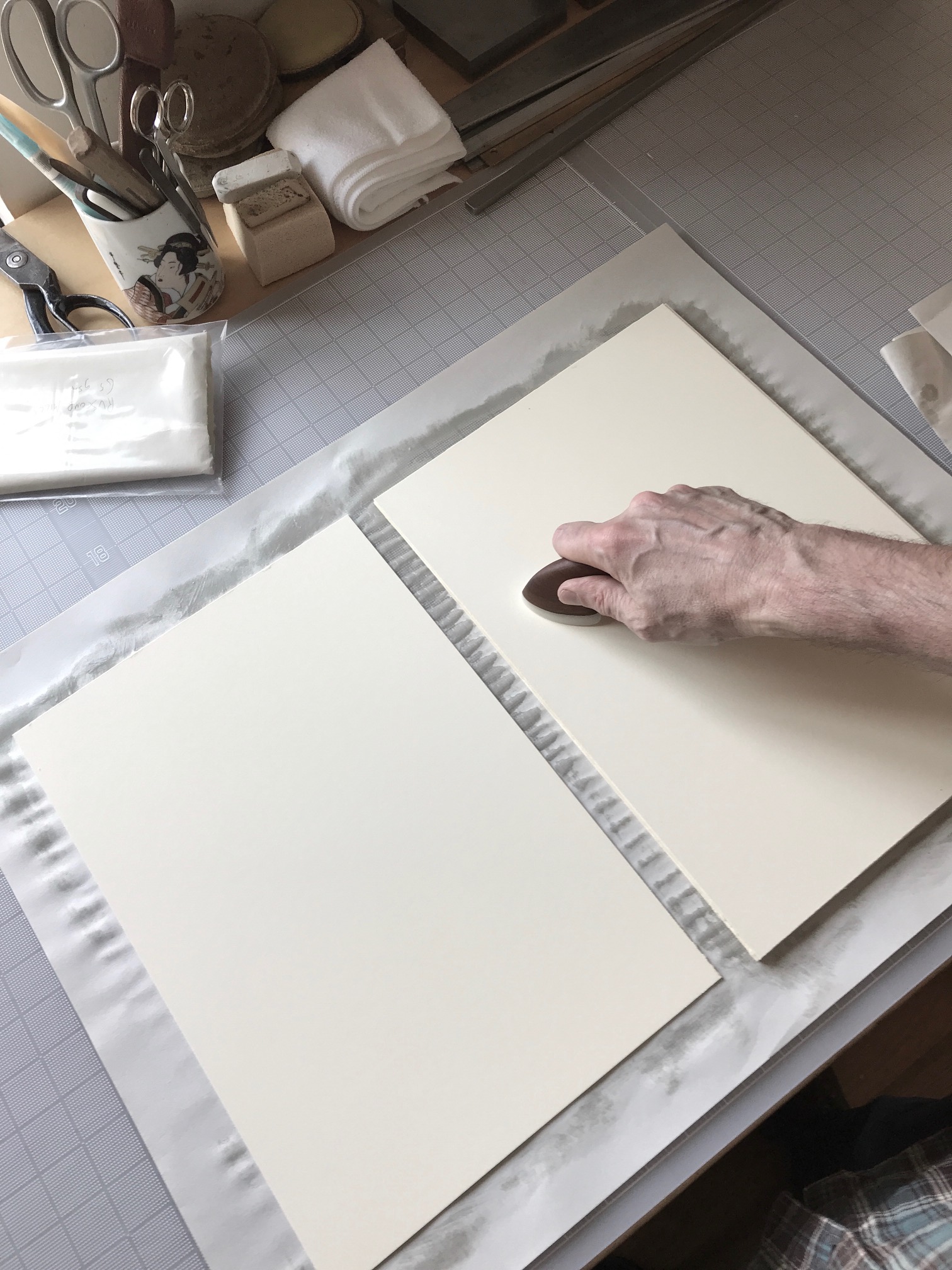
The Most Beautiful Tool in the World: A Japanese Burnisher

Exactly twice in my life I’ve seen a tool and immediately felt such a keen a desire to possess it that my secular observance of the eighth commandment was severely tested.

Drooling over Robert Minte’s collection of Japanese hera at the Bodelian Library in 2010 was the first time. They were so elegant, simple, beautiful — perfect tools, I thought. It was the longest flight of my life back to New York City, my fingers itching to make some for myself. Over time, I learned more about bamboo, shaping bamboo, and continue to keep making them today

The object of desire the second time was also a Japanese tool, though in this case a burnisher, and…  READ THE REST AT THE GATHERING


Some Well Known Ex-Bookbinders

There are likely more famous people who apprenticed as bookbinders and left the field, than bookbinders who are well known. Hope for all of us in a second career?


George Davis, 1850-1907, Father of chemical engineering

Rudolf Diesel, 1858-1913(?), Inventor of diesel engine

Johan Most, 1846-1906, Anarchist

Michael Faraday, 1791-1867, Discovered electromagnetic induction

Johann Strauss, 1804-1849, Musician

Josef Sudek, 1896-1976, Photographer

William Swain, Inventor of Quack Patent Medicine “Swaim’s Panacea”


Others?

The Origins of Marbling: Glass?

Most of us think of marbling as paint or ink applied to a sized bath, usually manipulated somehow, then transferred onto a sheet of paper. This is essentially the definition put forward by Richard J. Wolfe, in his magnum opus, Marbled Paper: Its History, Techniques, and Patterns. His book is an invaluable resource, tracing the history of European marbling. The extensive plates dating particular patterns alone justify the price.

But what if we think of marbling not primarily as the transfer of colors, but the technique of using a stylus — or a number of them in a row, i.e. a rake — to manipulate strips or blobs of color into patterns? Visually, this is where most of the beauty and magic happens. And Egyptians were doing this as early as the 6th century BCE in glass.

Egyptian Alabastron and Flasks, 6th – 3rd century BCE. Corning Museum of Glass.

Recently I visited the Corning Museum of Glass,  which has some very early glass containers that look marbled. The museum catalog describes the center container as having the, “entire surface decorated with alternating registers of fine trails [thin threads of colored glass] wound ten to twelve times before changing color; all threads have been marvered in and dragged alternately up and down sixteen times to form an elaborate and delicate festooned or feathered pattern….” ( 55.1.61)

Instead of colors applied to a viscous bath, glass trails are wound around a container. Then they are manipulated with a point or stylus. The alternating up and down stylus movement at regular intervals is quite similar to how many styles of marbling are done even today.

Does specialization in the decorative arts cause us to overlook a fundamental cross-disciplinary technique like this one? Or, is this a common decorative technique that it is continually independently rediscovered. If so, are there other examples?