A Clamshell Box with an Integral Flat Back Cradle. By Annie Ujifusa

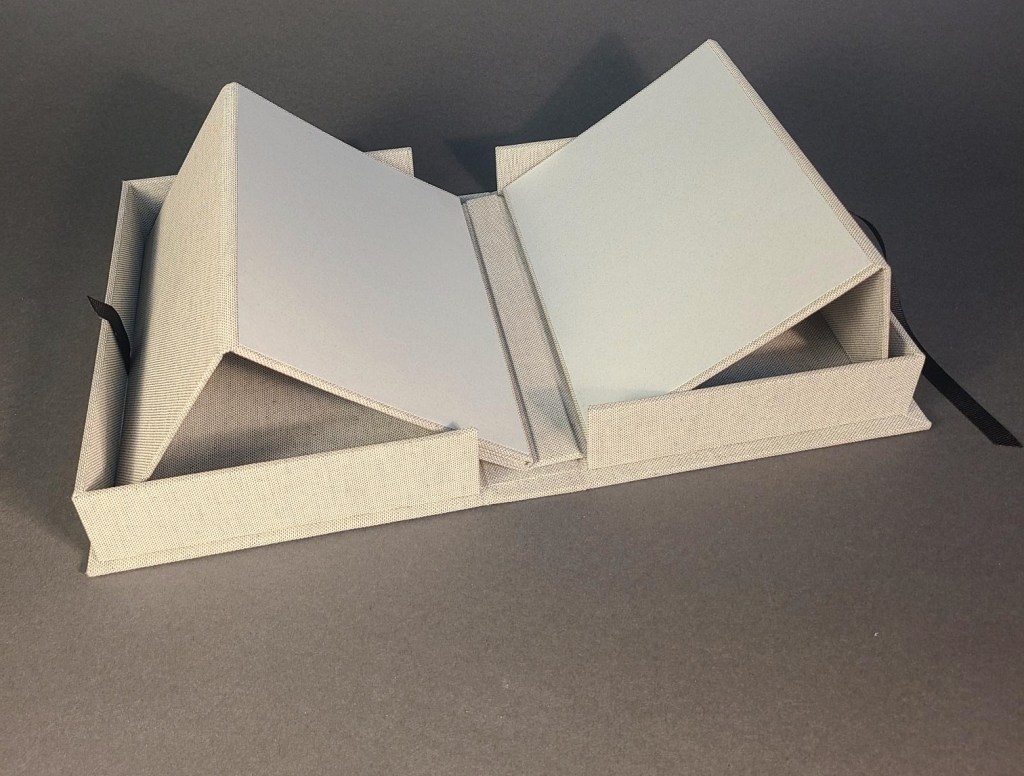
Annie’s completed box open, ready to display and protect a book during handling.

Annie Ujifusa, who developed this variant of a cradle box, guest blogs about her process and details the construction. I came up with the one-piece cradle box in 2009.

During a book conservation internship at the Boston Public Library (BPL) last summer, I was shown a beautiful medieval manuscript from the rare books vault that was housed in a clamshell box with a delightful built-in cradle. This enabled the book to be safely opened and read without even having to take it out of the box. I was charmed by the idea and when I asked how I could make one, I was pointed in the direction of Jeff Peachey’s blog, and then I went down a rabbit hole into making and experimenting with it. I started modifying small elements until I eventually ended up with a structure that I think serves a specific, useful purpose. I recommend reading his blog first to understand his terminology that I have adopted here. 

The original construction from Peachey calls for two pieces of bookcloth glued back-to-back serving as the hinge connecting the two wedges of the cradle. I made two boxes this way, and I really loved how, when closed, this limp hinge is able to wrap perfectly around the curve of the spine of the book. But I wanted to keep playing around. For my third attempt I got to thinking about what changes could benefit the structure. I wanted the hinge to have a more finished look; I decided to add a piece of binder’s board to it, making it stiff, so that the cradle looked like a complete, cohesive structure — almost like a book itself — instead of two wedges connected. A structure I was shown by Mary Hamilton French, the Conservation Officer at the BPL, came to mind as the perfect inspiration: the post binding. I took the spine from this binding and adapted it to this purpose.
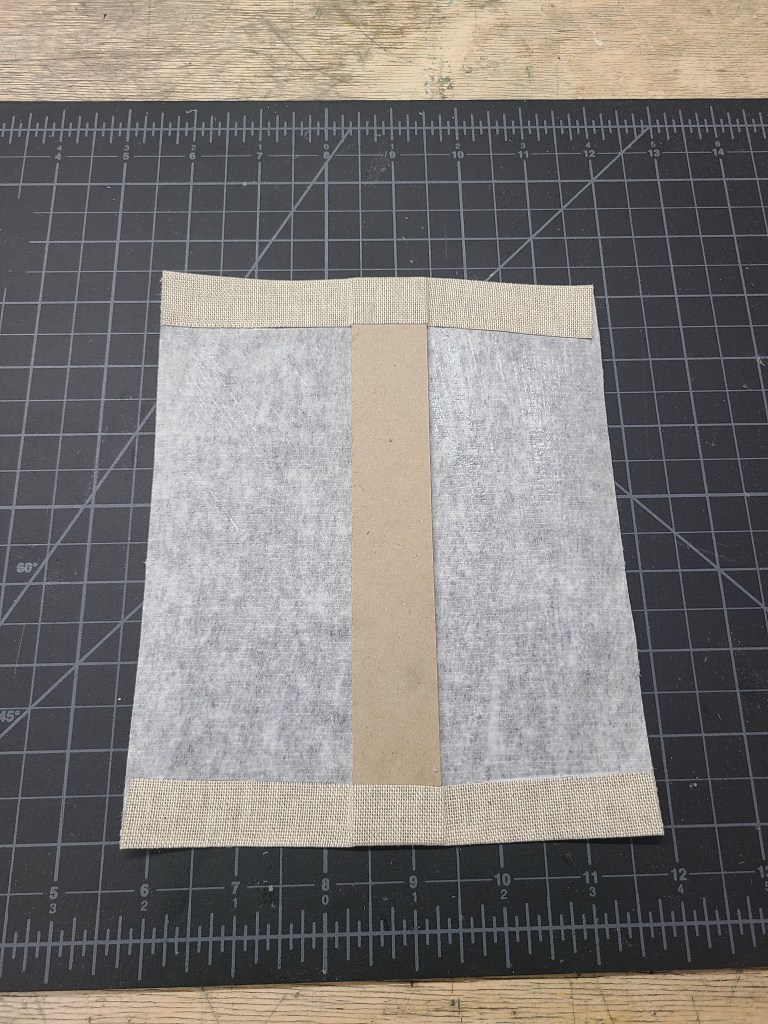
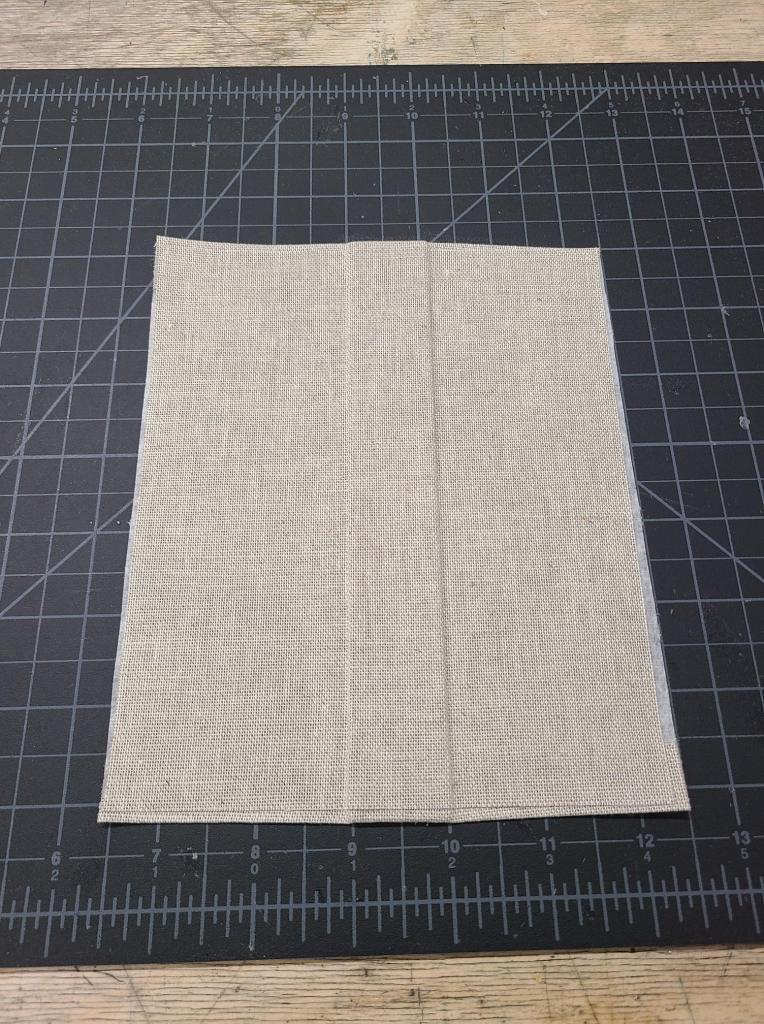
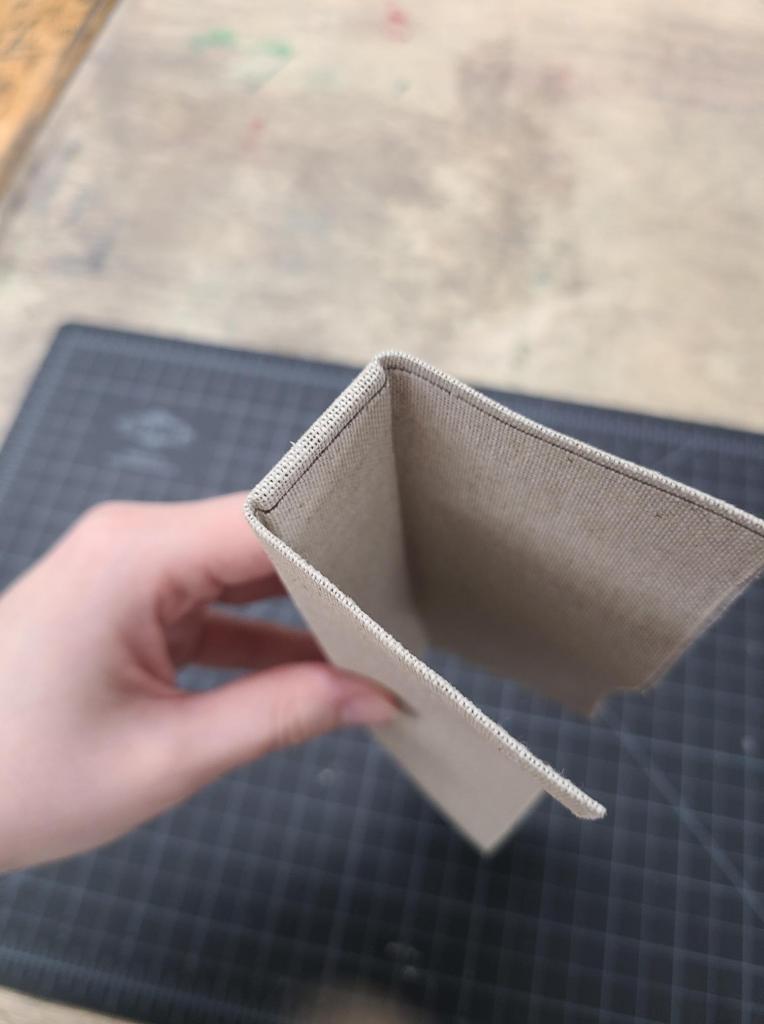
Figs 1. A: The spine piece exterior covered. B: The inside. C: .

Its construction is simple. To make it, cut the binder’s board to match the thickness and height of the book. Cut two pieces of cloth—one should have a height that allows for turn-ins around the head and tail of the board, and the other should have a height that is just a few millimeters shorter than the board. The width should be oversized for now, allowing enough to cover the spacer boards on each wedge, and then some. Glue out the taller of the two pieces of cloth and lay the board down in the center. Turn in the cloth at the head and the tail, and crease it against the sides of the board, keeping the turn-in folds as perpendicular to the board as possible. (Fig. 1A) Then glue out the other piece of cloth, lay it onto the board, then crease it against the sides and then across the expanse of the other piece of cloth (Fig. 1B) Fold both layers of cloth in, against the board edges (Fig. 1C).

Then trim off the excess cloth. With fixtures holding the book and the folded-up wedges in place, glue one side of the hinge to the inner spacer, and then the other side to the outer spacer. If you’re using cloth that cuts nicely, without frayed edges, you can simply cut and glue the cloth down right up to the edge of the outer spacer. (Fig. 2A) Otherwise, before adhering the spacer to the platform, leave enough cloth to wrap around the spacer and glue it to the underside for a nice, seamless look as seen in Fig 2B below..
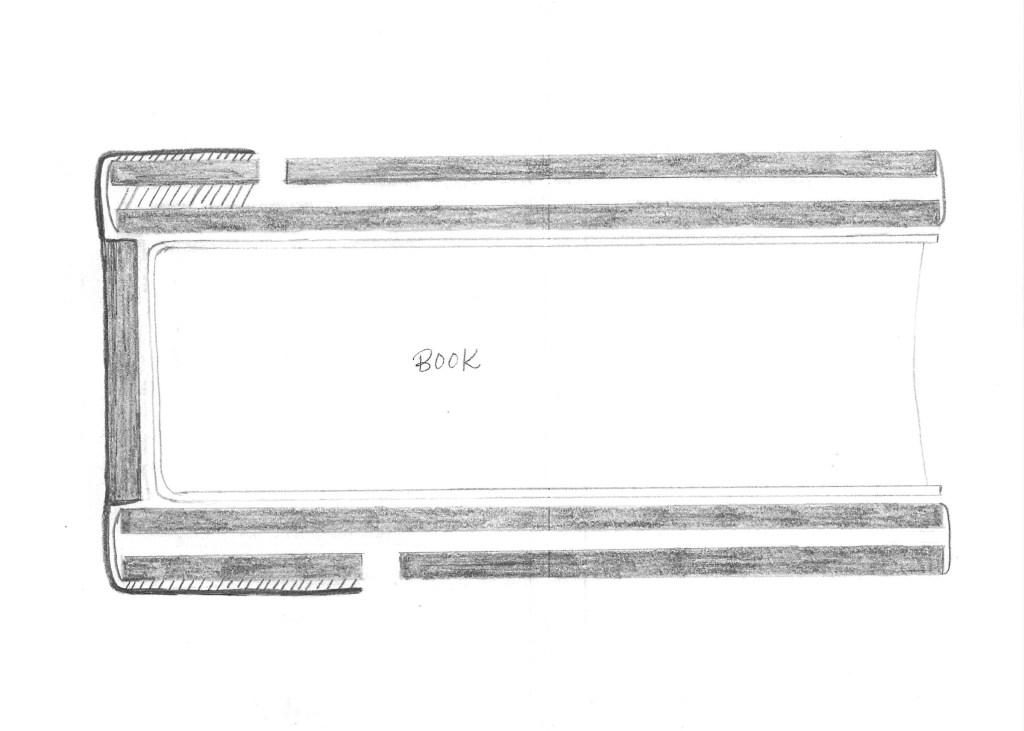
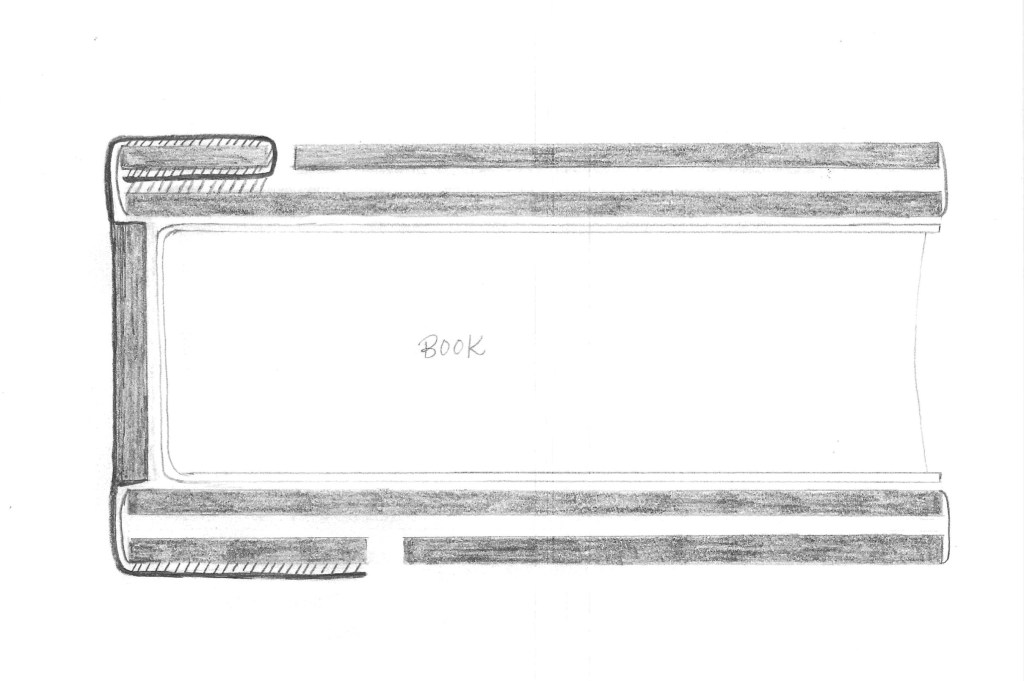
Left: Fig. 2A. A cut spine wrapper. Right: Fig 2B. At the top, the cloth is wrapped around for a more finished look.

There were a couple of other minor adjustments I made. The gap between the spacer and upright was suggested to be one centimeter. I ended up reducing that to 5mm, for no other reason than I felt it simply looked more elegant. I also found that adding about one spine thickness to the height of the outer upright, as suggested, caused the wedge angle to be too steep. Instead, adding only about one third to one half of the width of the spine created an angle that more closely matched that of the other wedge. (Figs. 3A and 3B)
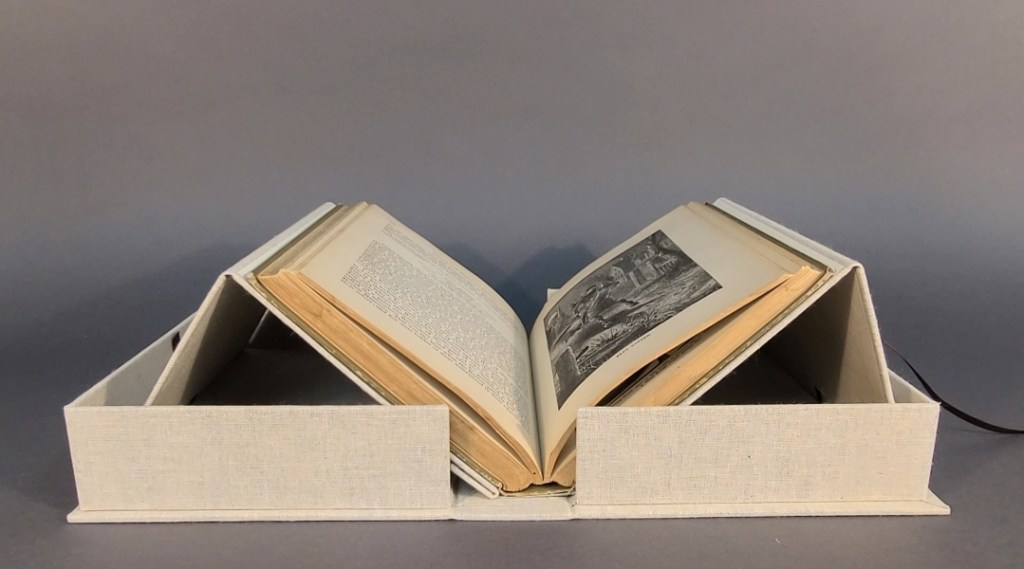
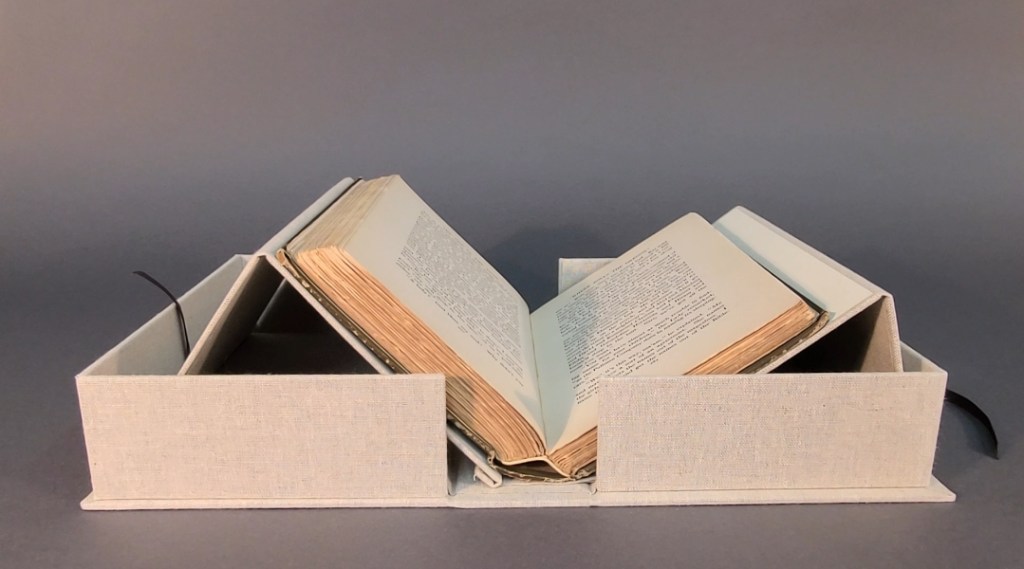
Figs. 3A and 3B. The left image has about a third the width of the spine added for even wedge height.

I then added the pull ribbons to a different spot as seen in Fig. 4. I adhered them to the back of the upright pieces before covering the back of the wedges in cloth. The outer wedge ribbon needs to be long enough so that it falls over the wall of the outer tray when opened, and the inner wedge ribbon needs to be long enough to span the width of the upright, the wall height of the inner tray and about two thirds of the width. I felt this saved time, while still allowing the opening to be effortless with a minimal learning curve.
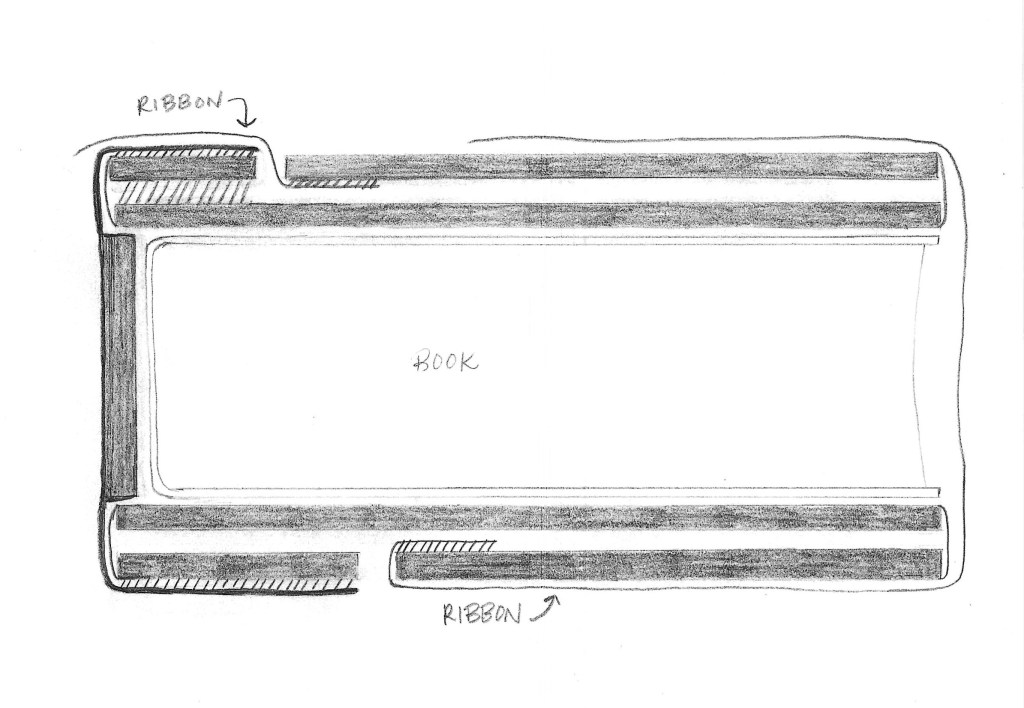
Fig. 4. Ribbon placement for ease of opening the cradle.

Since this was just a model, I made it for a small, skinny book (Fig. 5). At the time, I didn’t realize it’s most valuable use and greatest potential; I think it would really shine in the case of large, flat-backed books that need the added support. It’s an overall neater look in the box, and it feels sturdier when opening. It also avoids potential abrasion from the edge of the inner tray where the spine in the limp hinge would have rested on.
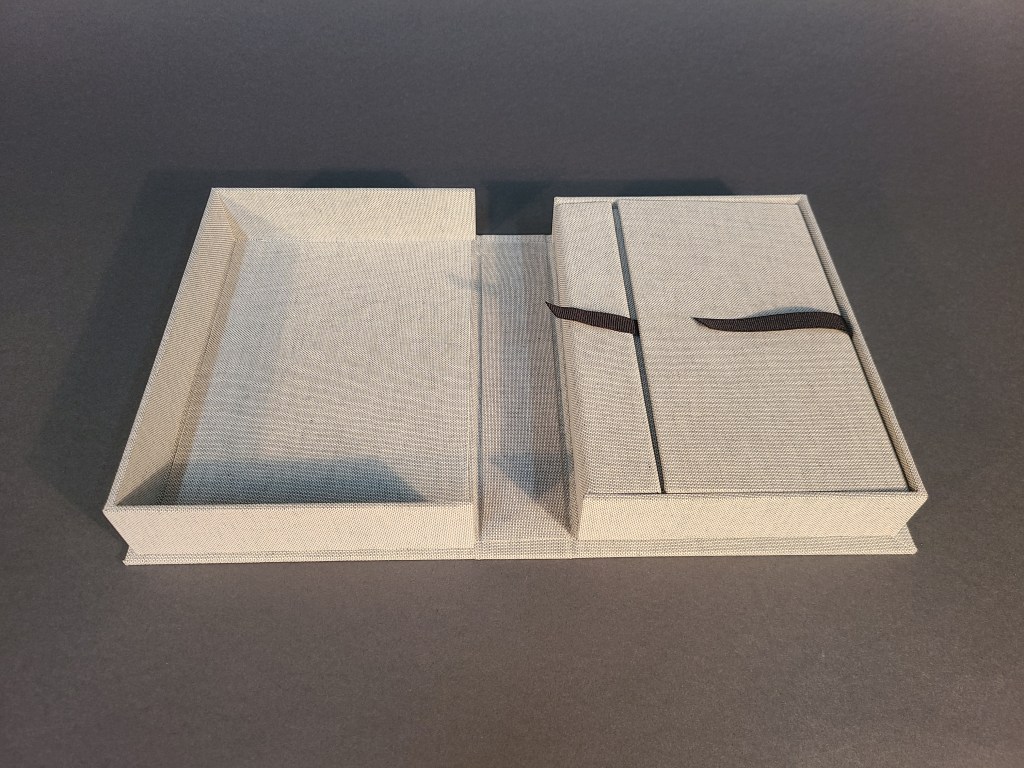
Fig. 5. Completed box closed.

As Peachey laid out in his blog, this type of box requires very specific needs, and has some obvious drawbacks. This one I created calls for even more specific needs, but I think that’s one of the joys of conservation. Each book and each treatment is different and has its own set of obstacles. In addition to providing protection during storage and use, this box is a sure crowd pleaser and fun to open. It was an immensely satisfying structure to make, and I’m looking forward to making more in the future!

Annie Ujifusa Bio I’m currently a second-year student in North Bennet Street School’s (NBSS) Bookbinding program. Originally from Washington state, I moved to Boston from Alabama. During my first year at NBSS, I quickly became enamored with conservation. It’s truly magical to me. I will be starting as the newest Conservation Technician in the Conservation Lab in Special Collections at the Boston Public Library after I graduate. I believe the book is an object that should be engaged with, and I can’t wait to repair and stabilize books every day so they can be safely handled and studied for generations to come. In my spare time, I hope to continue making new bindings, as well as slowly mastering the art of gold tooling, which I have become obsessed with. I’ll be trying to build my hand tool collection for the rest of my life! Instagram: @annieuji

Thanks for the great idea and post, Annie! Some other cradle boxes from around the web are here. The AIC wiki is also useful for more information.
New Tool! Deluxe Delrin Spatula

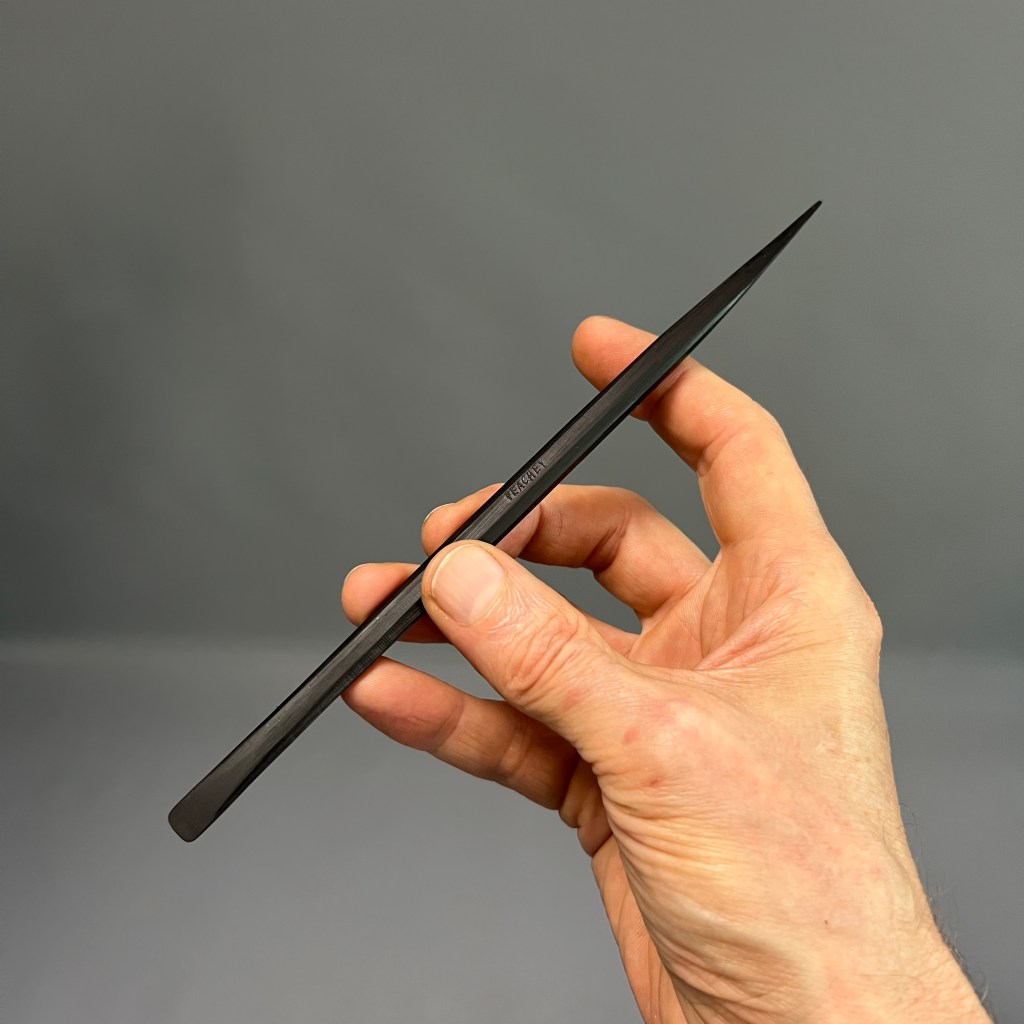
Last month I taught a toolmaking class at the University of Cincinnati, and Ashleigh Ferguson — rare book and paper conservator and Co-lab manager — made a beautiful “Griffin” spatula which I coveted. Rather than steal her tool, I developed my own version. Her tool helped me reexamine some long-held negative opinions about double ended tools.

This Deluxe Delrin Spatula is an ideal hand tool for conservators in almost any discipline. Useful for pressure sensitive tape removal, delaminating, paint and emulsion consolidation, applying adhesive under detached layers, controlled pressing, excess adhesive removal, working under magnification, and more.

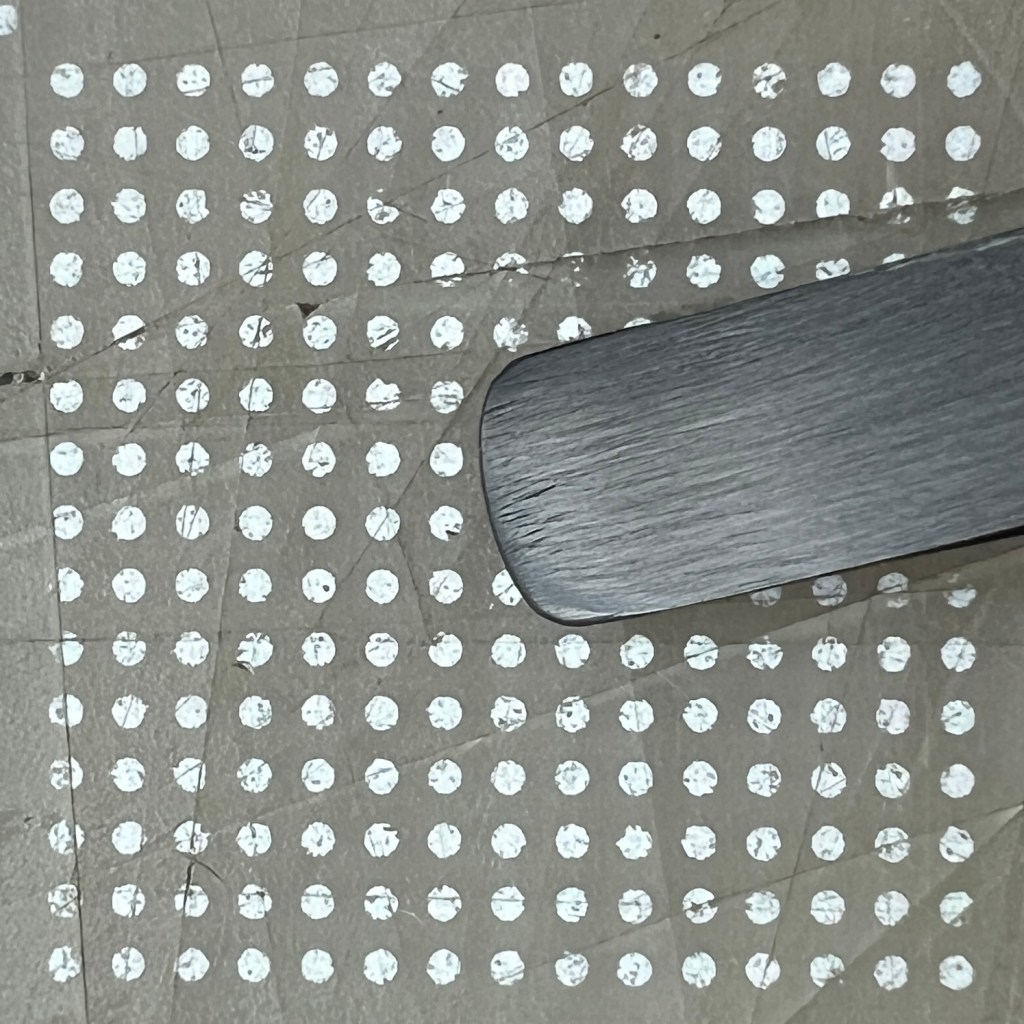
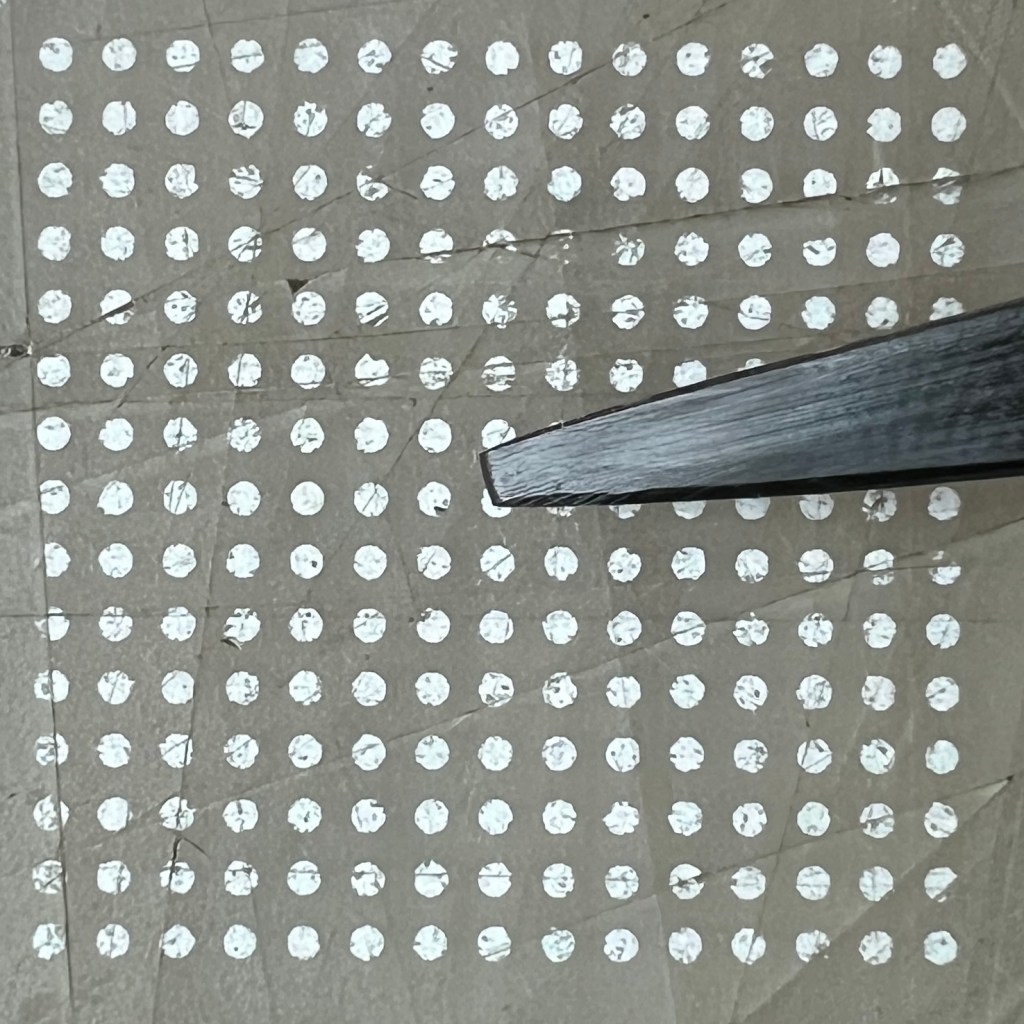
The thin tip — due to the wedge shape in the thickness — is great for applying minute amounts of adhesive. The flexible wide tip (see below) can direct pressure downward, and be used with a twisting motion to help pry off unwanted layers.

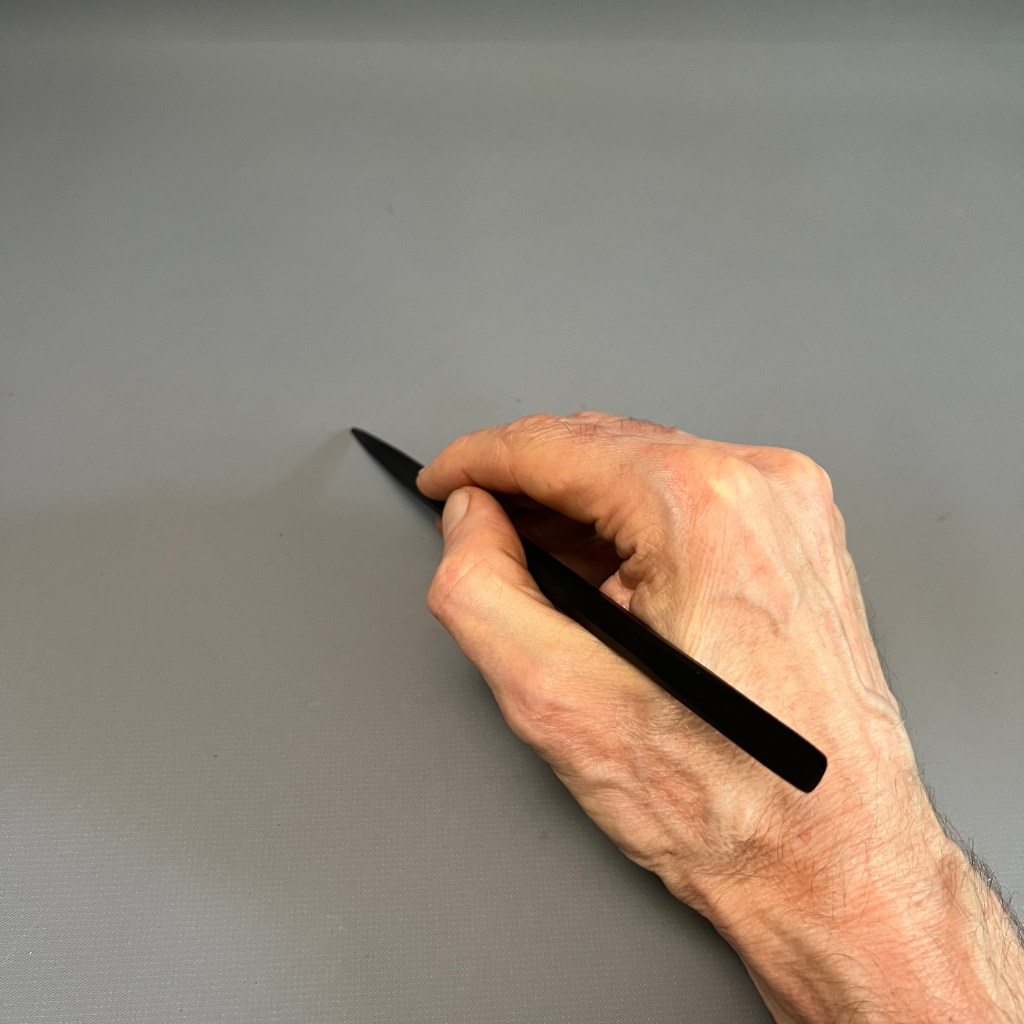
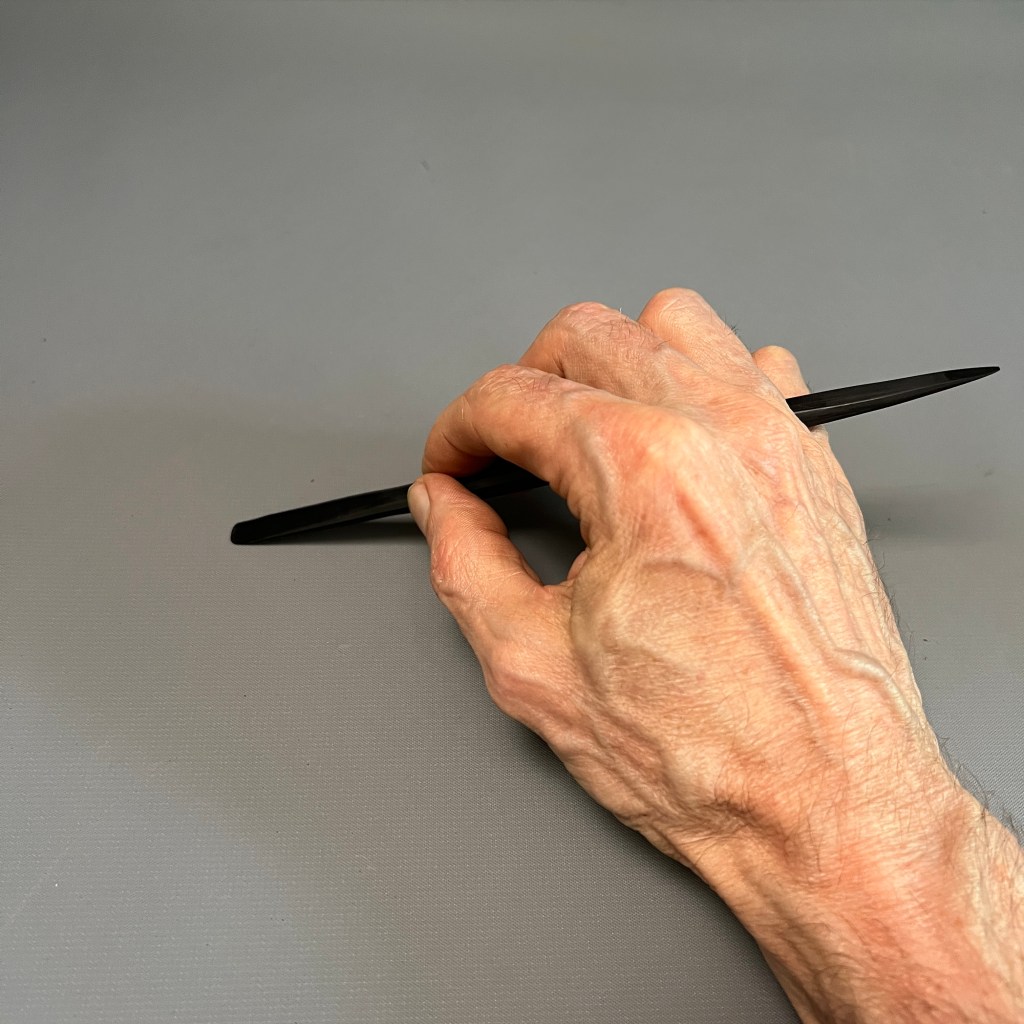
Delrin has a similar coefficient of friction as teflon, but is more abrasion resistant. Black delrin is harder than white delrin, likely due to the carbon, and stays sharp longer. The octagonal handle shape is comfortable in a writing or drawing hand position, and won’t roll off your work surface. Comes with a two stage sharpening kit and instructions to resharpen. The handle may feel familiar to some: it is the same diameter as a Rotring 600 mechanical pencil.

Black Delrin, octagonal handle, approximately 200mm x 8mm. Both tips are slightly flexible, with the small one about 1-2mm wide and blunt. The large tip is straight with sharp round corners, and about .15mm thick at the end.

Purchase here!

Or if you would like to make your own version, join us for a week-long toolmaking workshop at Emory University, October 7 – 11, 2024.

Fish gelatin: Spreading the word about a book conservator’s new friend

Written by Ashleigh Ferguson Schieszer, Special Collections Conservator and Co-Lab Manager of the Preservation Lab of the University of Cincinnati. Reblogged with permission. Originally published 27 November 2023.

Last year around this time, the lab was fortunate to bring in book conservator and toolmaker, Jeff Peachey for a week-long intensive workshop to learn leather rebacking. While I always expect to walk away with new anticipated skills as advertised by the workshop, I’m ALSO always pleasantly surprised by the tangential tips and tricks shared along the way.  In the case of Peachey’s workshop, there were many!

One of my favorites was his use of a fish gelatin. While adhering spine linings to our text blocks, Peachey pulled out a small baggie of fish gelatin he brought with him to the workshop.  He poured the dry flaky powder into a small jar, added room temperature cold water, and mixed it until a liquid-y consistency.  He then added strained wheat starch paste to the gelatin and mixed with water until he was happy with the consistency.  He estimated it was a 40:60 ratio of gelatin to paste. 

Jeff Peachey taught a workshop at the Preservation Lab in Oct. 2022 where he first introduced us to a low-bloom fish gelatin for book conservation that didn’t require heat for use.

If you’ve ever used gelatin before, you might be wondering – how is it possible to mix the gelatin without heating?  That’s the beauty of this product – it has a high molecular weight with low bloom strength and is produced from cold water fish which gives it this ability.  It might not be the strongest of the films with a 0-bloom strength, but for a book conservator doing paper repairs that need to be reversible yet strong, this combo still had an amazing tack when dry!

Peachey explained he first heard about the gelatin on a lab tour at the Weissman Center. He recalled Alan Puglia might have been the one who originally investigated the adhesive for pigment consolidation of hundreds of manuscripts for a show. The mention of a high molecular weight Norland fish gelatin was shared during a talk given at the American Institute for Conservation’s 44th annual meeting.  The talk was titled, The Challenge of Scale: Treatment of 160 Illuminated Manuscripts for Exhibition,” by Debora D. Mayer and Alan Puglia.

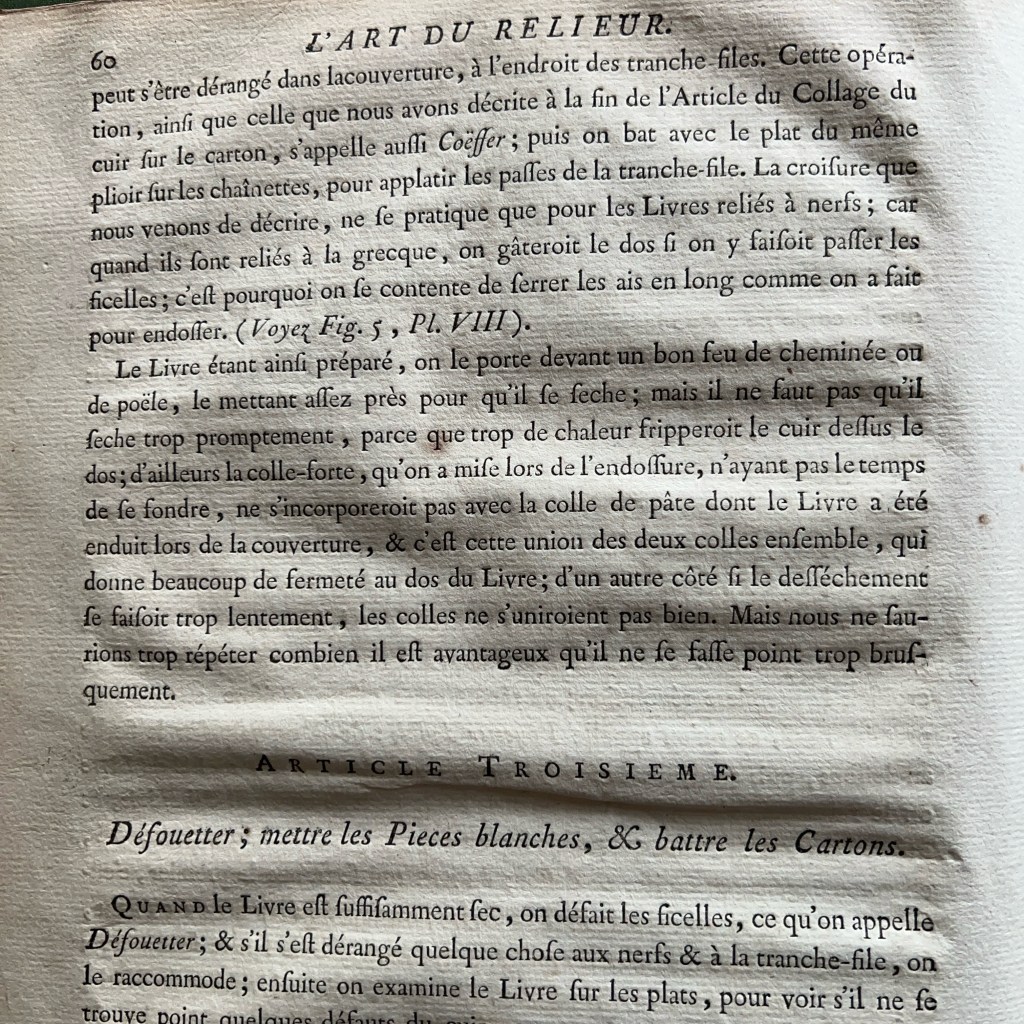
Peachey also doesn’t take credit for mixing the gelatin with wheat starch paste. He notes that even in Dudin’s 18th century manual, it discusses the “union” of paste and glue in the last paragraph below.

“It is the union of the two pastes [hide glue and flower paste] which gives a great deal of strength to the back” Dudin, 1772

By the end of the week-long workshop, I had fallen in love with the properties of how well it adhered.  By itself, the fish gelatin had a long working time and didn’t stick until it was nearly dry – but when mixed with wheat starch paste, it combined the best of both worlds.  There was both the initial tack from the paste and a strong adhesion from the gelatin after dry.  I wasted no time in ordering my own sample supply.

Over the past year, I’ve slowly incorporated the fish gelatin in treatments and testing more applications. 

Ashleigh Ferguson Schieszer uses the 40:60 mixture of fish gelatin and wheat starch paste to hinge encapsulations into an album, ensuring the heavy encapsulations with paper hinges stay adhered.

I first successfully used it to hinge-in heavy encapsulated sleeves into an album containing lung cross sections. After ultrasonically welding a paper hinge into an encapsulated sleeve, I applied the mix of wheat starch paste and fish gelatin to adhere the hinge to the scrapbook stubbing and had wonderful success.  I was able to adhere with confidence that the encapsulation would stay in place and was able to avoid disbinding and resewing.  At one point during treatment, I found I needed to reposition a hinge.  I am happy to report the mixture was as easily reversible as wheat starch paste alone!

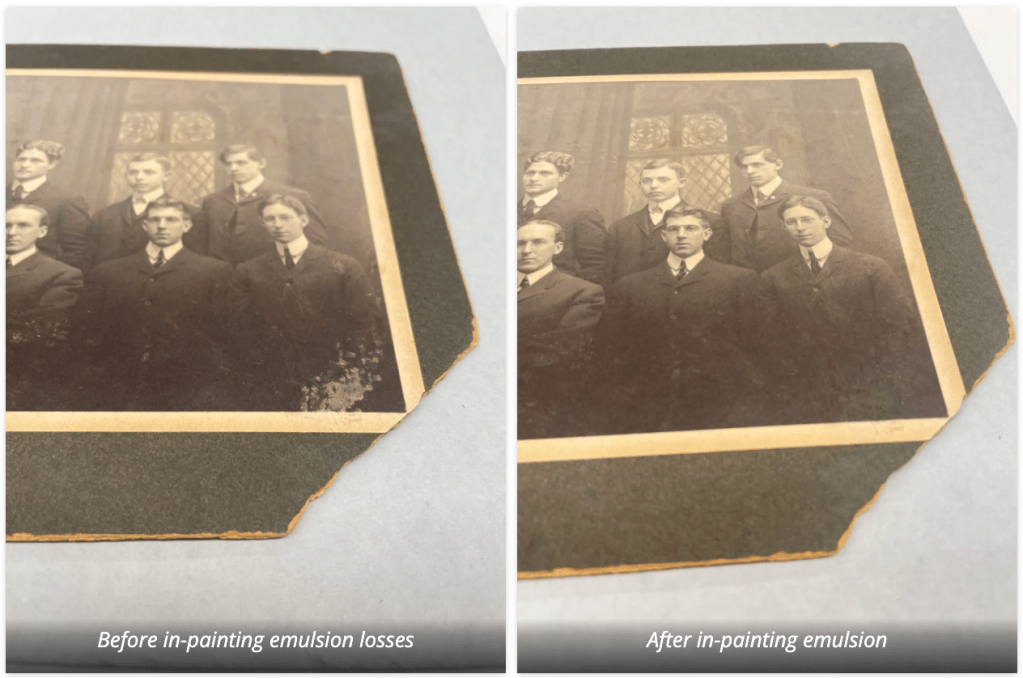
Most recently, I played around with using it for photographic emulsion consolidation. I used it first as a barrier layer before inpainting, and then to add sheen to in-painted photograph regions that were originally matte in comparison to the surrounding gelatin coating. It seemed extremely easy to apply and clean up was less messy than other photographic gelatins I’ve used in the past.  The sheen was just the right amount of gloss I needed without being overly shiny.  And, best of all, no heat required.

Examples of photographic condition issues where the fish gelatin was tested: flaking emulsion was consolidated and a barrier layer was applied before inpainting.

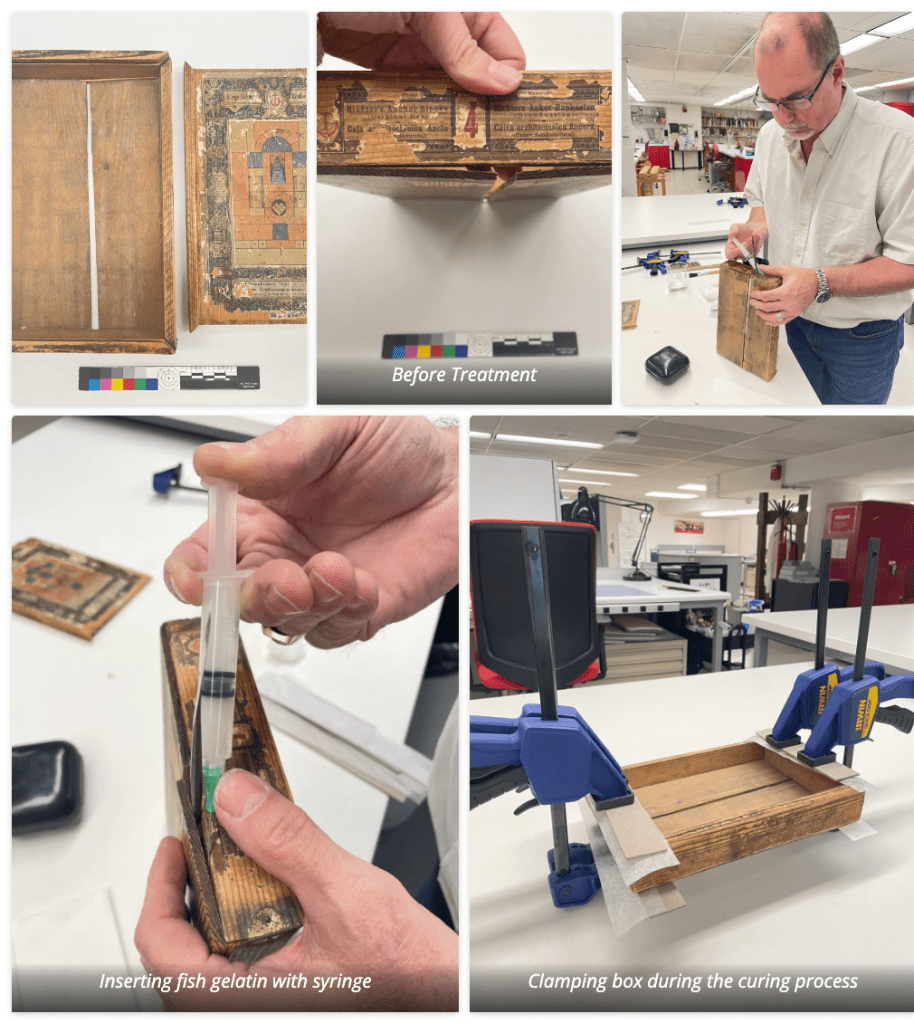
We’ve also used the gelatin to stabilize breaks in a wooden box originally used to house a Richter’s architecture game from the early 20th century. Jeff Peachey’ main use is to line spines. He’s found it not only has better adhesion than straight paste, but makes the spine feel slightly more solid and resistant to torsional forces

Applying fish gelatin to adhere spine linings

In the future, I imagine this gelatin would have excellent potential in media consolidation. In all these uses, I couldn’t be more thrilled to not have to pull out my baby bottle warmer to set a beaker of gelatin on.  As a result, there was no fuss in worrying about how long the gelatin was heated and if it was losing its properties due to heat!

Example of using a baby bottle or coffee warmer to re-heat pre-made gelatin during typical use

In terms of shelf life, the dried granules can be kept indefinitely like unmixed wheat starch paste.  Once mixed, Jeff suggests that he’s found the adhesive properties hold up for about a week in the fridge; however, it does begin to smell fishy after just a day. So unlike wheat starch paste, if you’re adverse to the fishy odor, you’ll only want to make up as much as you’re planning to use for one day. 

Interested in getting your hands on some?

I found the product used at Weisman is no longer supplied by Norland, but I was able to track down what appears to be the same product through AJINOMOTO NORTH AMERICA, INC.  If you’re interested in trying it, message Henry Havey, the Business Development Manager of Collagen & Gelatin at haveyh@ajiusa.com to request a sample of High Molecular Weight (HMW) dried fish gelatin. 

They provided me with a 500- gram sample at no cost and confirmed it was a Type A fish gelatin with a zero bloom strength. Henry Harvey can also provide a pricing quote should you be interested in ordering a full supply which comes in 25 kg packs. They also provided the following product data info sheets.

Fish gelatin sample acquired by the lab in a 500 gram sample bag

While I still covet my isinglass cast films I created from boiling dried fish bladders, as well as our mammalian photographic grade type B gelatin, this HMW fish gelatin is a welcome addition I’ve added to my tool kit.

Ashleigh Ferguson Schieszer [CHPL[] – Special Collections Conservator, Co-Lab Manager

Bibliography

Dudin, M. The Art of the Bookbinder and Gilder. Trans. by Richard Macintyre Atkinson. Leeds: The Elmete Press, 1977, p. 51. (Originally 1772)

Nanke C. Schellmann, Animal glues: a review of their key properties relevant to conservation, Reviews in Conservation, No. 8, 2007, pages 55-66

Foskett; An investigation into the properties of isinglass, SSCR Journal ; The Quarterly News Magazine of the Scottish Society for Conservation and Restoration, Volume 5, Issue 4, November 1994, pages 11-14

World Sturgeon Conservation Society, A Quick Look at an Ancient Fish, 4th International symposium on sturgeon, Oshkosh, Wisconsin, July 8-13, 2001 https://www.wscs.info/publications/proceedings-of-the-4th-international-symposium-on-sturgeons-iss4/

Soppa, Karolina; Zumbuhl, Stefan; and Hugli, Tamara,  Mammalian and Fish Gelatines at Fluctuating Relative Humidity, AIC 51st Annual Meeting, 2023