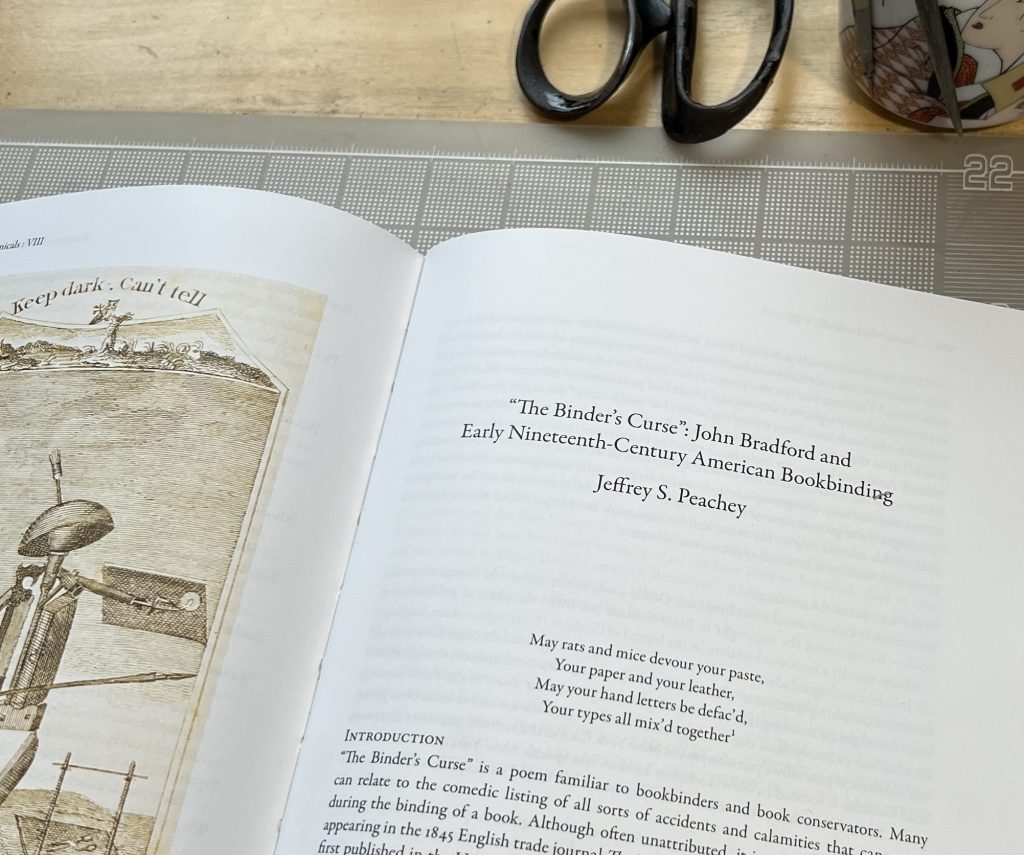
Just Published! “The Binder’s Curse: John Bradford and Early Nineteenth Century American Bookbinding” in Suave Mechanicals Vol. 8, The Legacy Press, 2023.

The Binder’s Curse: John Bradford and Early Nineteenth Century American Bookbinding, in Suave Mechanicals 8, The Legacy Press, 2023, 387 – 457.

“Keep Dark. Can’t Tell” With these four words, 19th century NYC bookbinder John Bradford begins an extraordinary book of bookbinding related poetry and imaginative parody. Written records from craftsmen during this time are very uncommon. Writings from bookbinders are very, very uncommon.

Bradford’s well-known poem, The Binder’s Curse, contains an introduction which places it in the context of a trade dispute, which is not so well known. The full title of the book gives a hint at Bradford’s wacky worldview: The Poetical Vagaries of the Knight of the Folding-Stick of Paste-Castle and The History of the Garrett, &c. &c., Translated from the Hieroglyphics of the Society, by a Member of the Order of the Blue String, Printed for the Author, [New York], 1815. The title is not just poetic exaggeration; part of the text consists of — supposedly — translated and untranslated hieroglyphics.

“This world’s a huge bindery…” Bradford proclaims, decades before Mallarmé’s more famous dictum, that everything in the world exists to end up as a book.1 Bradford constantly reinforces this world-as-bindery cosmology: Did this guy ever think about anything but bookbinding? Yet these poems provides primary documentation of bookbinding techniques and tools: the first mention of a squaring shears, details of which tools the binder owns (Bradford was a journeyman his entire career) and which the master provided, the use of templates, and more. There is a lot of serious bookbinding history buried in his poems.

There are also less serious aspects, like some really cringey love poetry. “Her forehead is like a paste bowl / And smooth as a fine paring stone.” Anyone want to guess what body part is “white as wheat paste”?

Bradford gives us a sense of the working life of an early nineteenth century binder, including day-to-day annoyances, and trade politics, all written with his relentlessly quirky sense of humor. The poem “Receipt for binding a book” consists of the earliest comprehensive listing of the steps in American binding, which is analyzed in depth by comparing it with extant bindings and relevant bookbinding manuals of the day. Bradford’s poems provide a insight into an imaginative bookbinder working on the cusp mechanization, especially dealing with the importance of tool ownership and use.

Thanks to editor Julia Miller and publisher Cathy Baker of the Legacy Press. And congrats to all the other authors below! I can’t wait to read the other essays. Available soon from Oak Knoll Press.

KEEP DARK

Essays in Suave Mechanicals, Vol. 8.
DO NOT attempt this curse at home! Provided for informational purposes only. The beginning of “The Binder’s Curse” from The Poetical Vagaries of the Knight of the Folding-Stick…. 1815.
  1. Malarmé, “Les Livre, Instrument Spirituel,” Quant au livre, 1895. ↩︎

The Craft of Hand-Paring Leather: An Upcoming Zoom Presentation for the American Bookbinder’s Museum, Saturday November 12, 4:00 pm EST

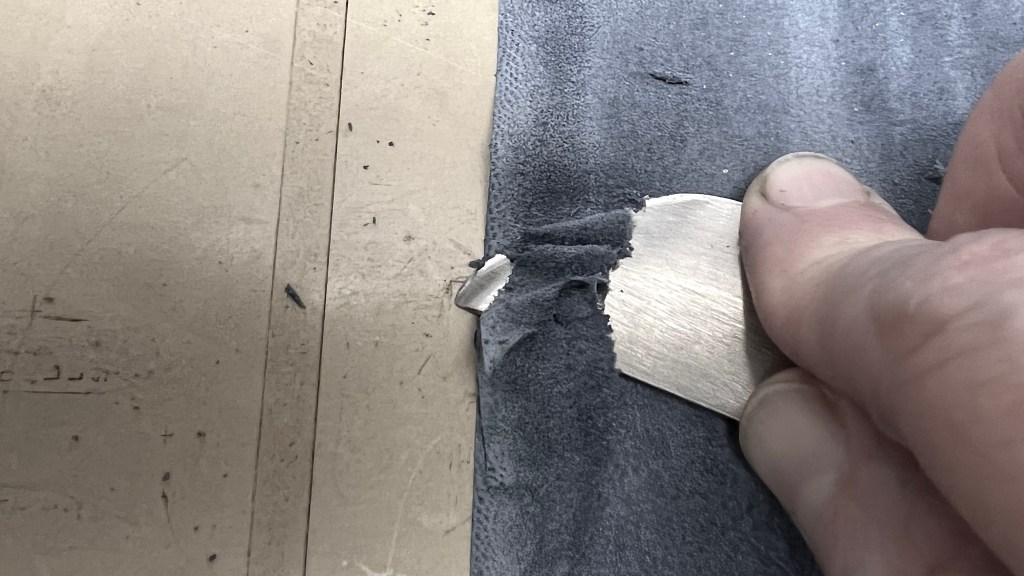
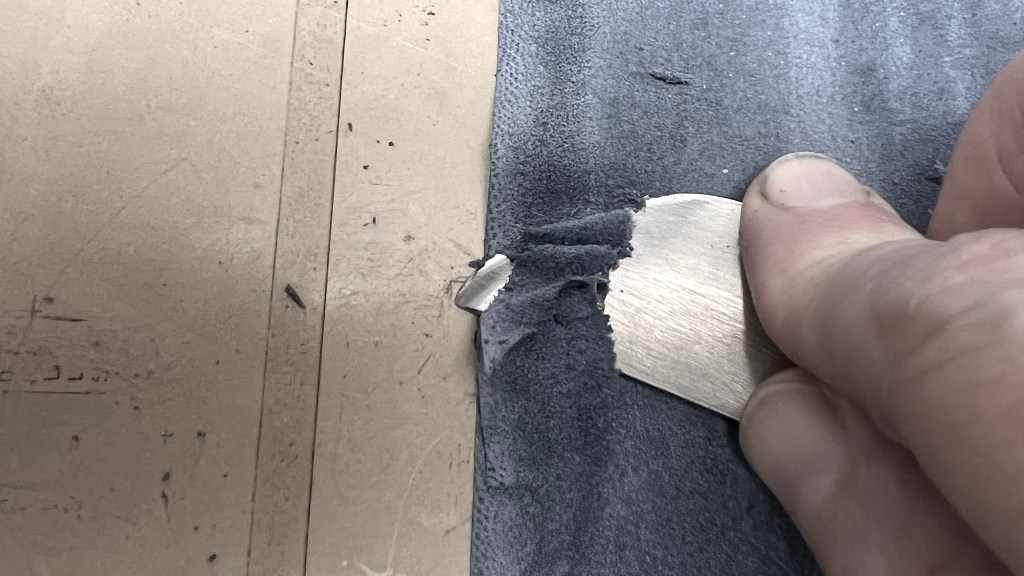
Are you leather curious? Interested in larger issues of hand craft? Then you will enjoy this zoom presentation on the craft of hand paring leather. Both practical and theoretical aspects of hand and tool interaction will be explored. Leather is a three dimensional material, and selectively reducing the thickness is essential for making a well functioning binding.

I will begin by showing some historic examples of leather paring, then to demonstrate the process of paring vegetable tanned leather using just one knife. Have a seat, make yourself comfortable, grab your beverage of choice and a snack, then enjoy watching the relaxing progress of gradually paring leather. While working, I will attempt to narrate — like a homunculi in my head — some of the complex decisions that go on in this process. As the leather gets thinner and thinner, excitement will mount: will I ruin the skin by tearing it? Towards the end of the demo, there will be time for Q&A and comments from the audience.

This presentation is based on my recent article, On Tool Embodiment, and I encourage everyone to read it beforehand.

Jeff Peachey: The Craft of Hand-Paring Leather. Sponsored by the American Bookbinder’s Museum. Saturday November 12, 4pm EST. Zoom. Attendees will have access to a recording after the event.

Register here!

New Article in Decorating Dissidence “On Tool Embodiment”

I’m very pleased to see my article, “On Tool Embodiment” published in the online Journal Decorating Dissidence. I’ve been refining these ideas for a while now, since I began exploring them in the inaugural issue of The Bonefolder back in 2004.

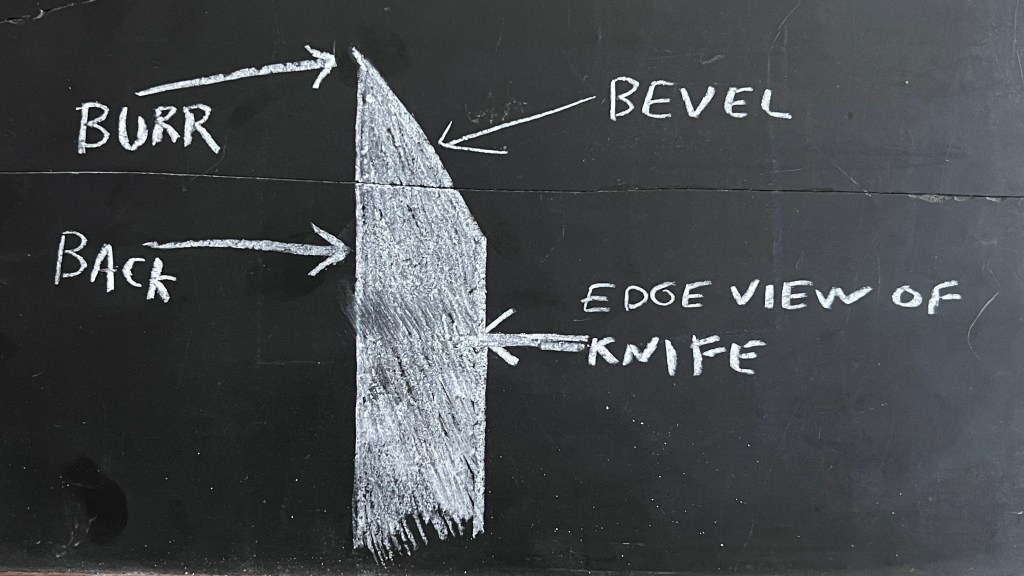
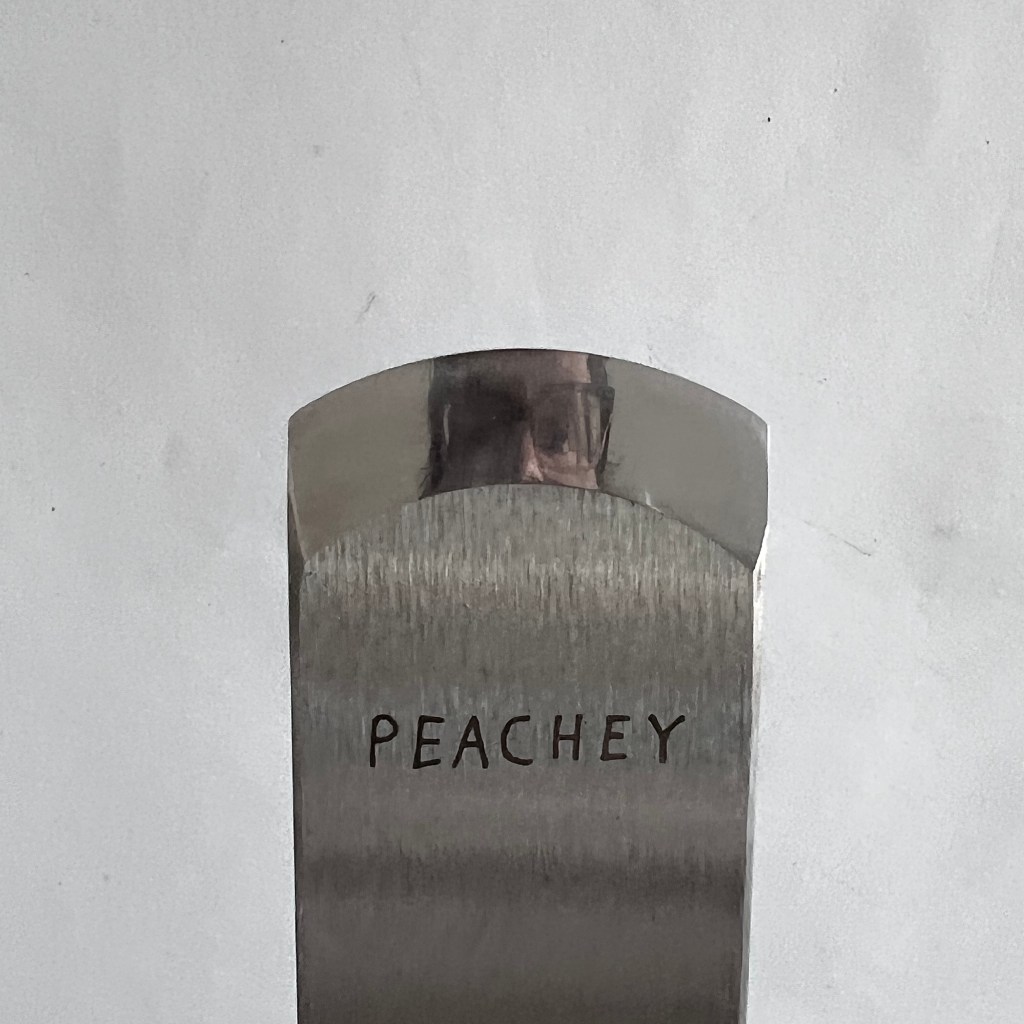
Using leather paring as an example, I explore some of the complexities and often subconscious hand actions that allow us to pare leather. If you are a beginning bookbinder who is interested in paring leather, this article contains some valuable practical tips. If you are an experienced binder, you will likely find some similarities to your own experiences, and perhaps some contradictory ones! If you are interested in craft or technology in general, embodiment is common in all tool use.

Decorating Dissidence is a thoughtful, inclusive, craft-positive online journal. Their mission is succinctly summed up on their homepage:

The decorative is political. Craft is powerful. We host workshops, curate exhibitions and facilitate discussions on the topics of decorative art. We trace the lineage of modernist making legacies to the contemporary and bring to light stories of marginalized makers.” https://decoratingdissidence.com

The theme of Issue 15 is Tools, Use and Mastery. There are many articles of interest to anyone with involved in craft. Issue 14 focuses on Craft and Education, another rich important, and complex topic. It’s worth poking around through the archives, too. Enjoy “On Tool Embodiment”

Thanks to the rock star book artist Miriam Schaer for bring this journal to my attention!