Conservation Hand Tools: Making, Modifying, and Maintaining. Upcoming Toolmaking Workshop. Emory University, October 7-11, 2024

Register here

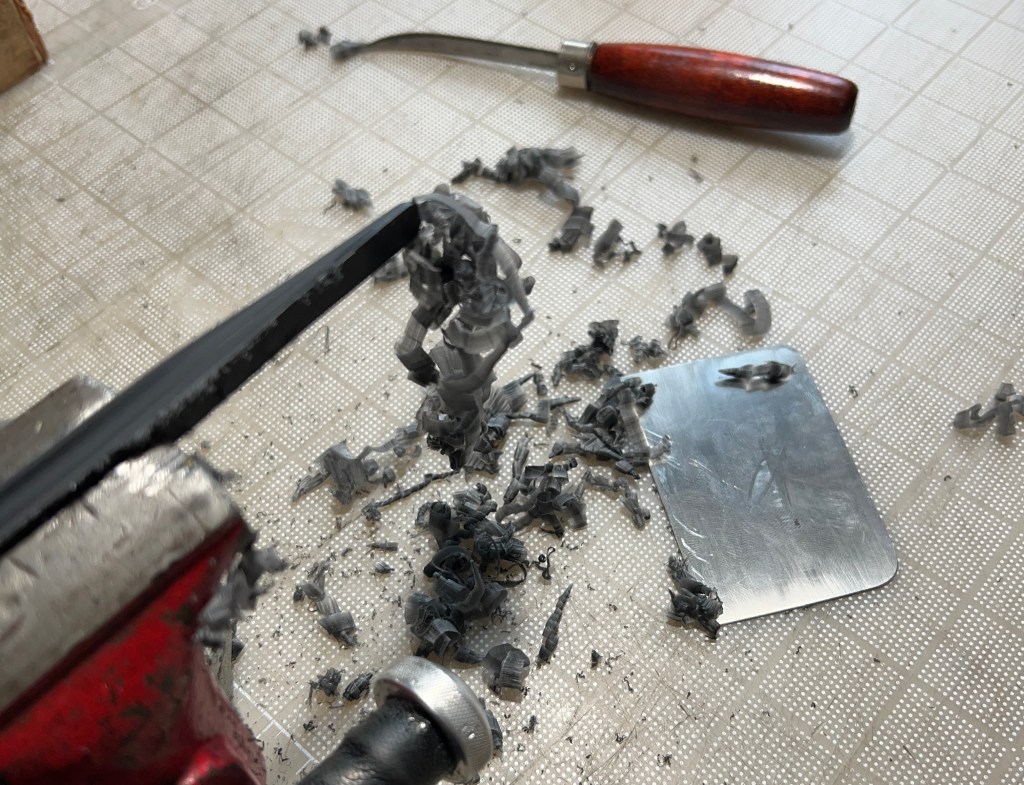
For dust free Delrin finishing, we will use a cabinet scraper and wet sand.

Conservation Hand Tools: Making, Modifying, and Maintaining

Workshop Description 

Most interventive conservation treatments are mediated through hand tools. Many of these tools had their origins in particular craft traditions; but conservators often modify them for particular uses. Tools become embodied in use, extensions of a conservator’s hand, sense of touch, and intention. Personal hand tools often become prized arrows in a conservator’s quiver. 

This five day workshop emphasizes simple and safe methods of working hardened tool steel, stainless steel, Delrin, wood, and bamboo. Progressively more difficult techniques will be introduced during the week using primarily hand tools. This workshop will be tool-centric; for example, hand sawing — with the appropriate blade and technique — will be used for all the materials introduced. Choosing materials appropriate to the desired task will be emphasized. Possibilities include tools for cutting, folding, prying, delaminating, lifting, scraping, and burnishing.

Participants will complete a number of tools of their own design during this workshop. Examples of common existing tools — such as delaminating or lifting tools — will be provided as prompts. One goal is to free participants from the plethora of misinformation and mystique that surrounds knife sharpening, and learn fundamental freehand techniques applicable to any edge tool. Another is to gain competence in mechanical problem solving and practical hand tool use. Participants are encouraged to bring their own tools for discussion, possible modification, and repair.

Making tools is engaging, fun, and useful. It is also highly addictive. Consider yourself warned.

Workshop topics

• Basic tool use for stock reduction: sawing, filing, abrading, scraping, drilling, tapping

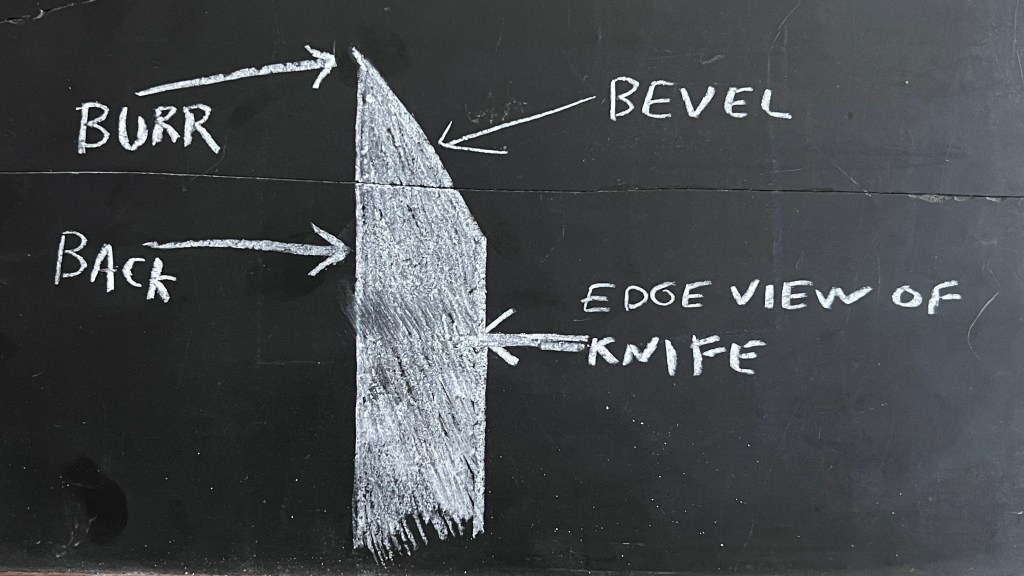
• Understanding what makes something sharp, efficient hand sharpening

• Tool design and mechanical thinking in general

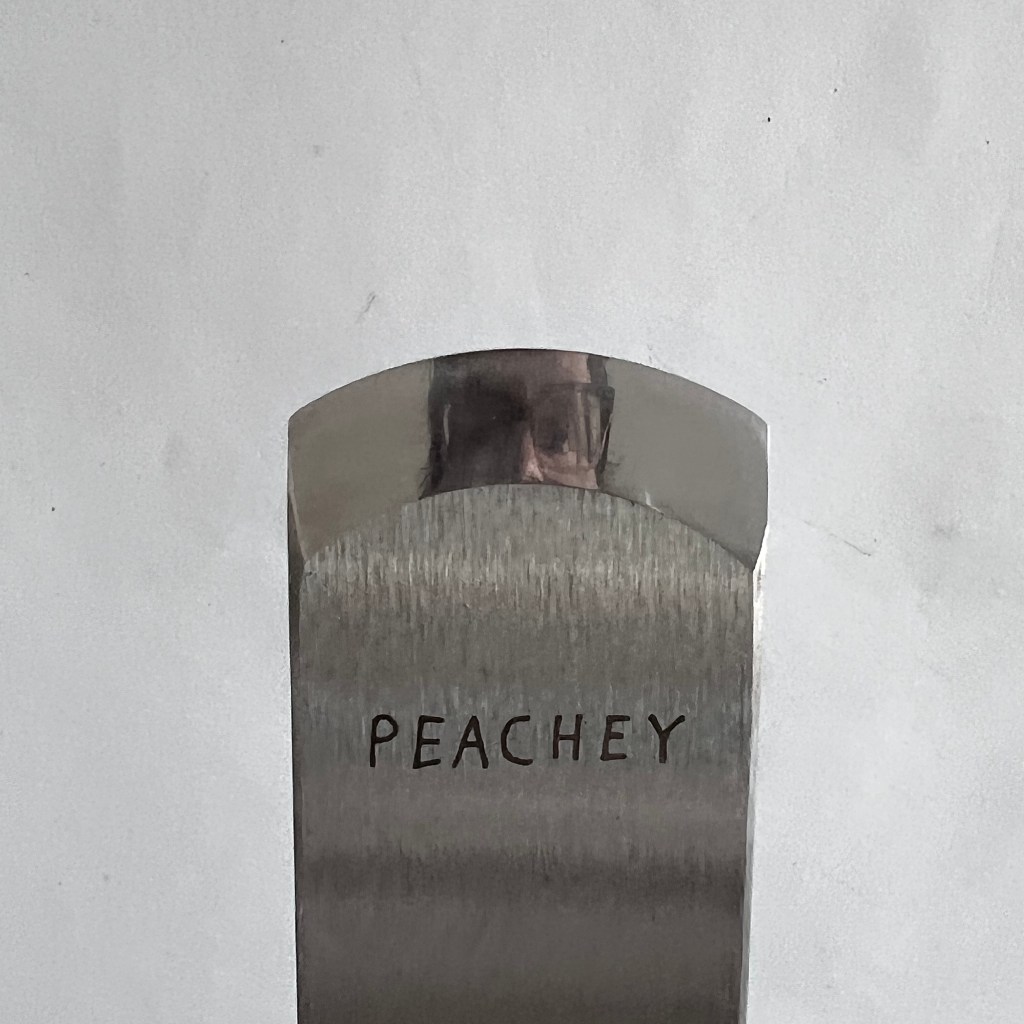
• Making a high carbon, M2 tool steel knife by stock reduction

• Differences and similarities in shaping Delrin, Wood, Bamboo, and steel

• Tool handles, sheaths, and handle ergonomics

• Connoisseurship of vintage tools and tool maintenance

• Safe use of power tools

Please join us for an intensive toolmaking week at Emory University October 7-11, 2024!
Register here

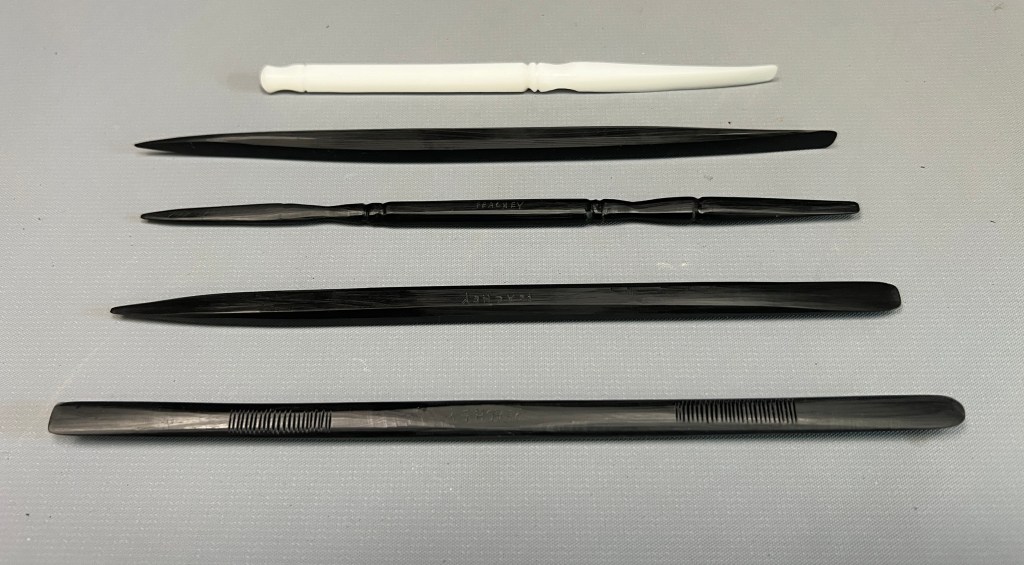
Some new Delrin spatula shapes I’ve been experimenting with.

New Article in Decorating Dissidence “On Tool Embodiment”

I’m very pleased to see my article, “On Tool Embodiment” published in the online Journal Decorating Dissidence. I’ve been refining these ideas for a while now, since I began exploring them in the inaugural issue of The Bonefolder back in 2004.

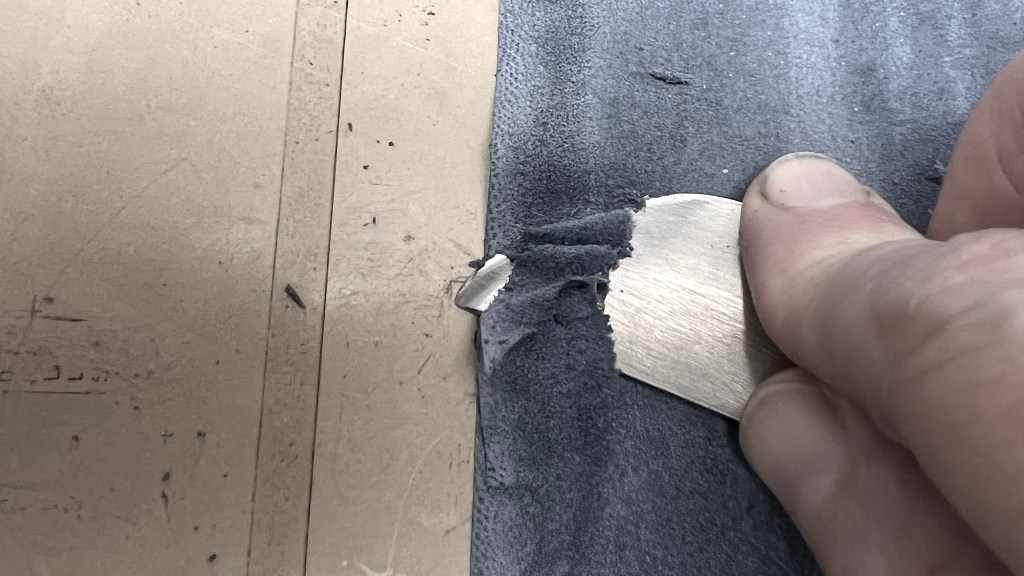
Using leather paring as an example, I explore some of the complexities and often subconscious hand actions that allow us to pare leather. If you are a beginning bookbinder who is interested in paring leather, this article contains some valuable practical tips. If you are an experienced binder, you will likely find some similarities to your own experiences, and perhaps some contradictory ones! If you are interested in craft or technology in general, embodiment is common in all tool use.

Decorating Dissidence is a thoughtful, inclusive, craft-positive online journal. Their mission is succinctly summed up on their homepage:

The decorative is political. Craft is powerful. We host workshops, curate exhibitions and facilitate discussions on the topics of decorative art. We trace the lineage of modernist making legacies to the contemporary and bring to light stories of marginalized makers.” https://decoratingdissidence.com

The theme of Issue 15 is Tools, Use and Mastery. There are many articles of interest to anyone with involved in craft. Issue 14 focuses on Craft and Education, another rich important, and complex topic. It’s worth poking around through the archives, too. Enjoy “On Tool Embodiment”

Thanks to the rock star book artist Miriam Schaer for bring this journal to my attention!

Do Tools Matter When Making Historic Book Structures?

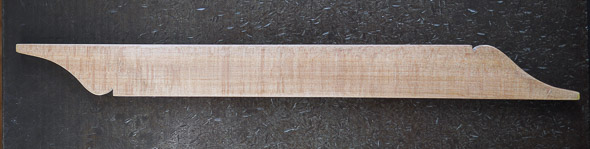
I made this reproduction 18th century French wooden straightedge. Does using it to make a historic bookbinding model *really* affect the process or outcome? Am I heading down the road of wearing a faux French craftsman costume while I do this?

Skillful use of hand tools often depends on their embodiment. They literally become become extensions of our consciousness and body.  We think through them in use, not about them. Don Idhe’s example of driving a car is useful. We don’t have to pay conscious attention to where we are on the road. We just drive. The car is a complex tool that has become embodied. We constantly unconsciously adjust to keeping it on the road. In bookbinding, paring leather is a similar unconscious complex activity. If you are interested in this kind of thing,  Don Idhe’s Technology and The Lifeworld is a exceedingly readable philosophy of technology.

All craft activities have a greater or lesser degree of embodiment, it accounts for some of their joy, relaxation and pleasure. We get out of ourselves for a while.  People often remark on how a tool fits their hand, or is an extension of it, and that it disappears in use. And how time quickly disappears when engaged by using it.

In teaching historic bookbinding structures, however, that these ingrained habits can be counterproductive when trying to recreate, or at least understand in detail, the nuances of earlier techniques.  This is one reason for using historic and reproduction tools. They can help take us out of the familiar, and challange our ingrained craft skills.  They force us to rethink our relationship to a particular tool, and by extension our relationship with the object being crafted. It is all too easy to slip into 21st century work habits when trying to construct a 16th century Gothic binding.

Using historic tools may or may not be the easiest way to do a particular task. When conserving a book there are many other considerations, including the safety of the original artifact, so many historic tools and techniques are not appropriate. And of course, the skill, experience and ability of the conservator is a significant factor. But by in large, the traditional tools of hand bookbinding have not been mechanized because they are an efficient and accurate way of working.

Possibly the most important aspect of using historic tools, or reproductions, is they aid in interpreting historic techniques. Binding a book in an historic style, even inexpertly, helps us understand deeply how older books were made. And isn’t this type of knowledge at the core of any book conservation treatment?