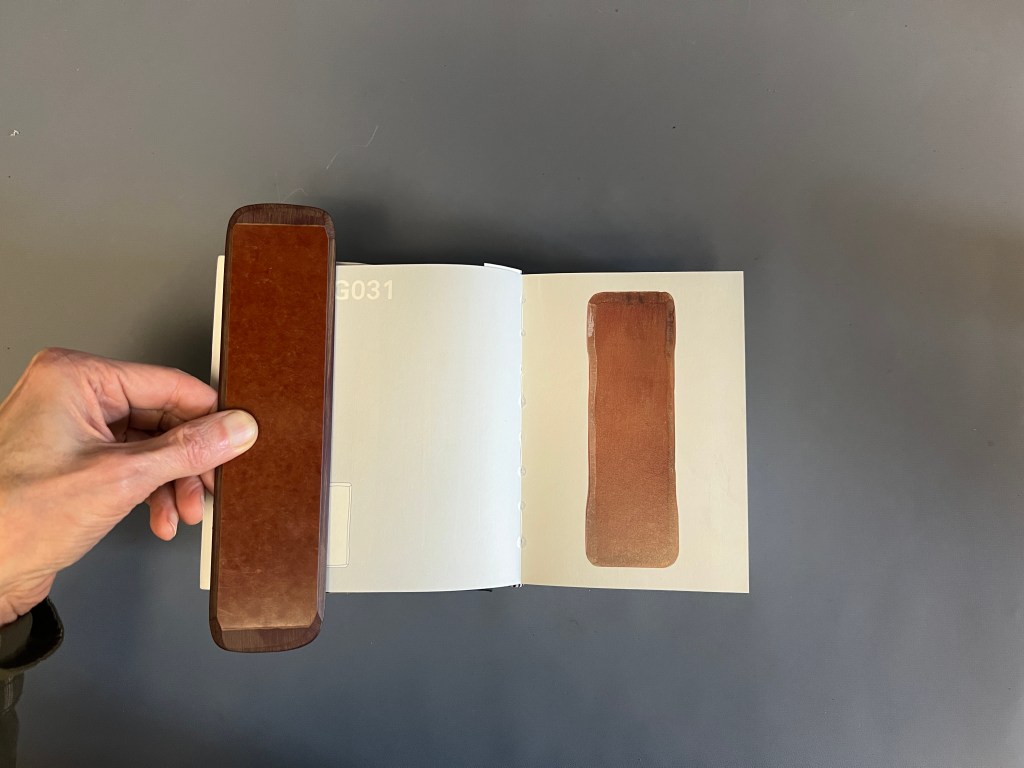
Frontispiece to Bradford’s 1815 “The Poetical Vagaries of a Knight of the Folding-Stick of Paste-Castle.
A Presentation by Jeff Peachey Monday November 25th, 2024
3:30-5:00pm
North Bennet Street School
150 North Street
Boston MA
John J. Bradford: A Knight of the Folding Stick. In this illustrated lecture, book conservator and lapsed poet Jeff Peachey traces the life of John Bradford and interprets his bookbinding-centric poetry. Particular attention will be paid to the 19th century bookbinding tools he describes, and is in fact made of in the frontispiece above. Bradford was a lifelong journeyman bookbinder in early 19th century New York City.
Not only are John Bradford’s poems a lot of fun, but his book is the earliest American description of bookbinding written by an actual bookbinder. Only twelve copies are held in institutions. Bradford was an odd character parts of the book are written in hieroglyphics. This presentation is based on his recent publication, “The Binder’s Curse: John Bradford and Early Nineteenth-Century American Bookbinding” In Suave Mechanicals: Essays in the History of Bookbinding, Volume 8.
At the conclusion, we will read selections from “The Binder’s Curse” aloud. Join us for geeky bookbinder fun! Non-bookbinders are welcome.
Registration is not required. Open to the public.
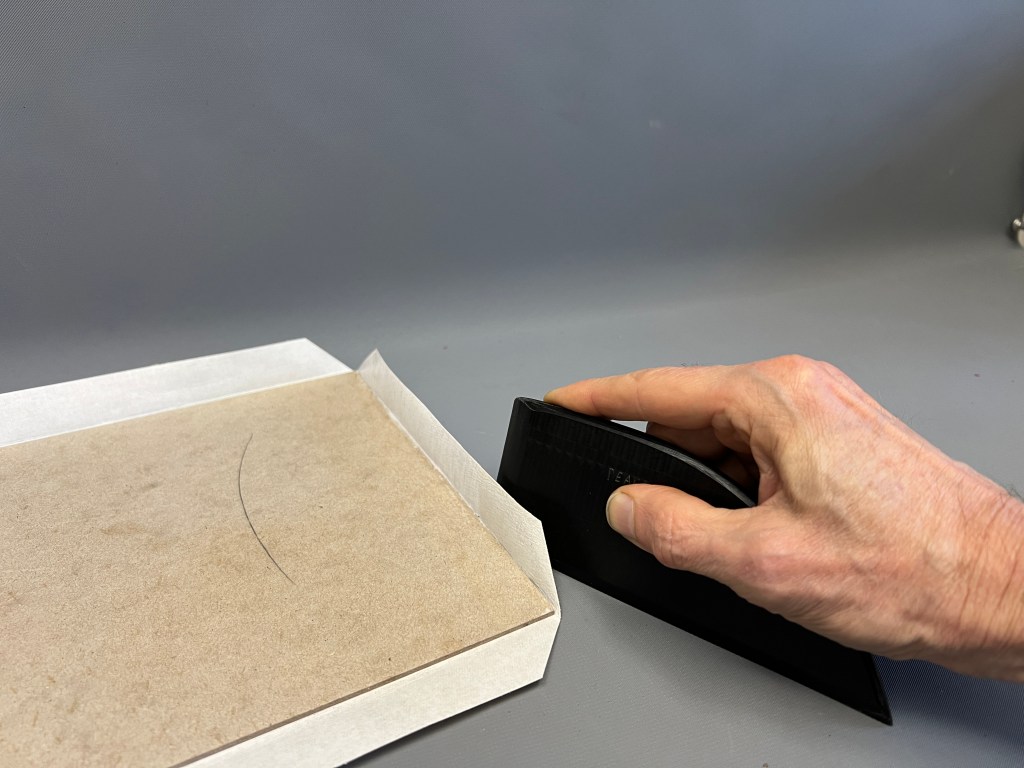
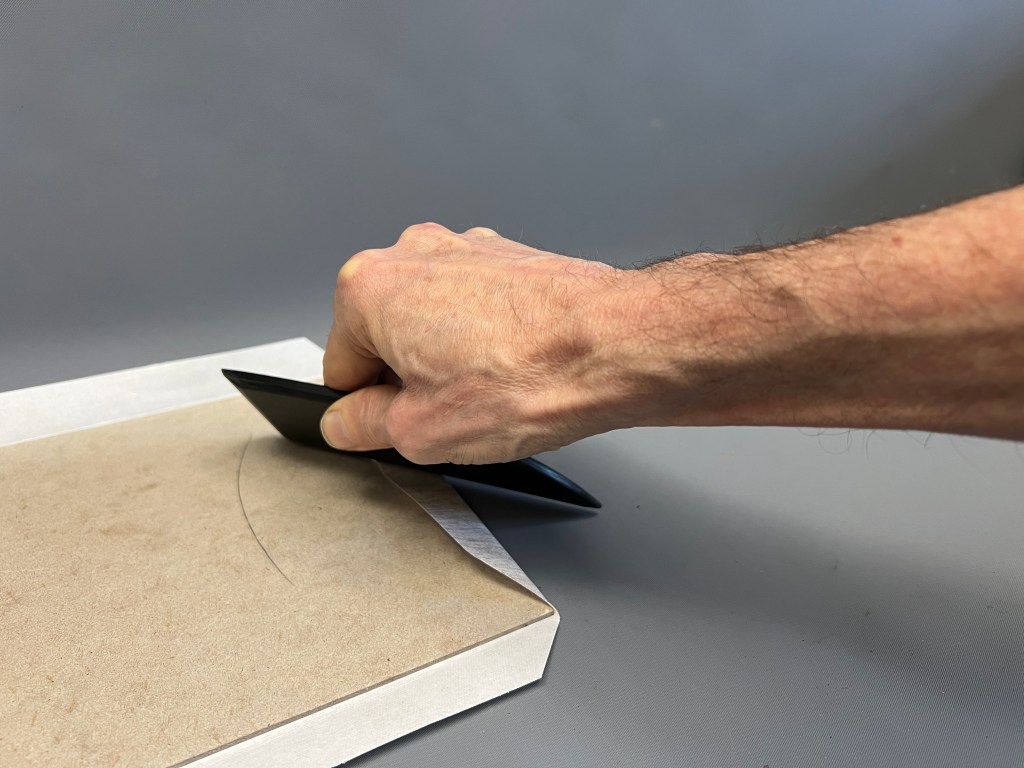
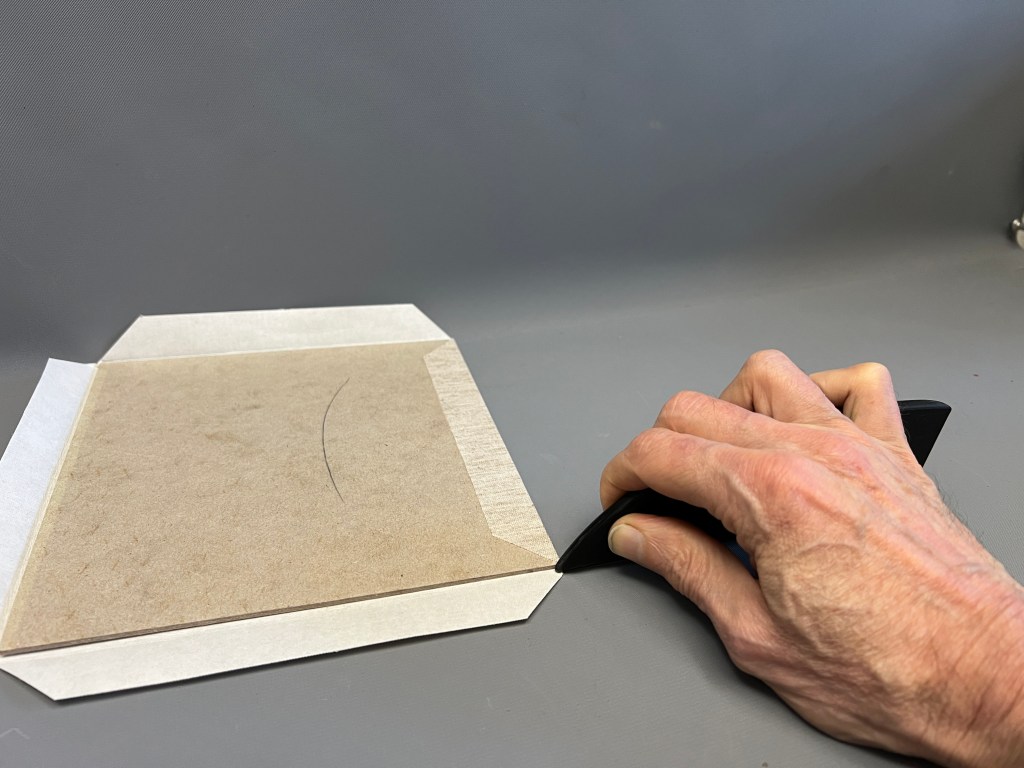
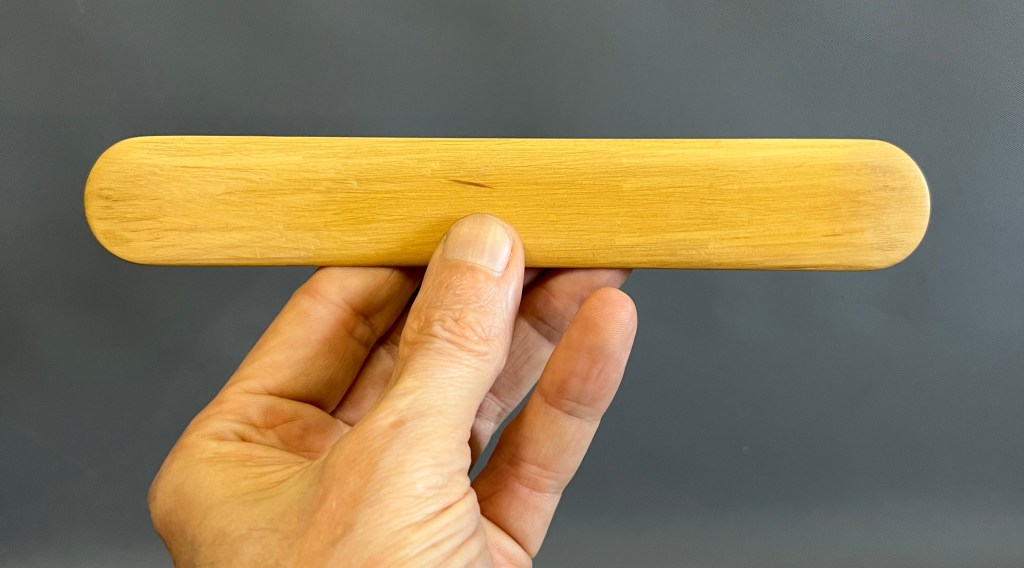
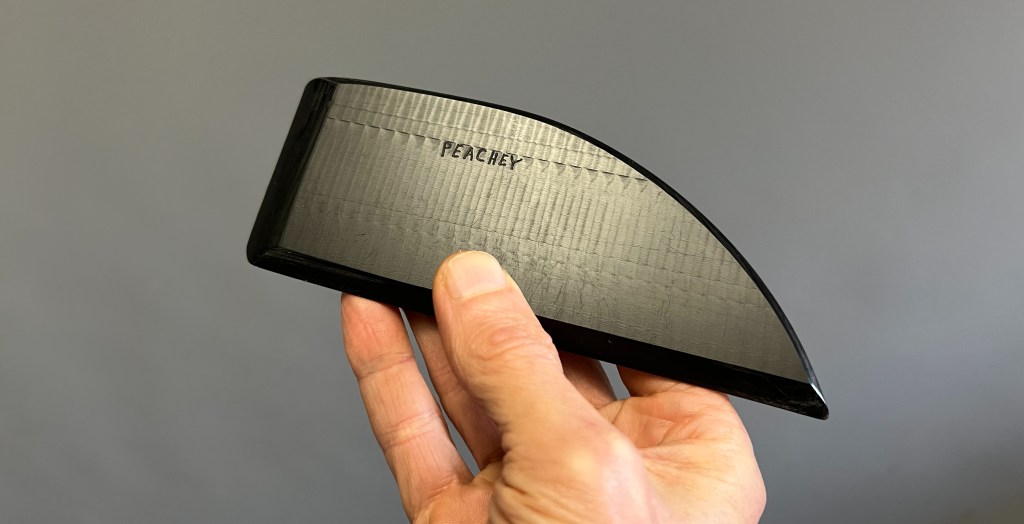
A reproduction 19th century folding stick, made from boxwood.
Last month I taught a toolmaking class at the University of Cincinnati, and Ashleigh Ferguson — rare book and paper conservator and Co-lab manager — made a beautiful “Griffin” spatula which I coveted. Rather than steal her tool, I developed my own version. Her tool helped me reexamine some long-held negative opinions about double ended tools.
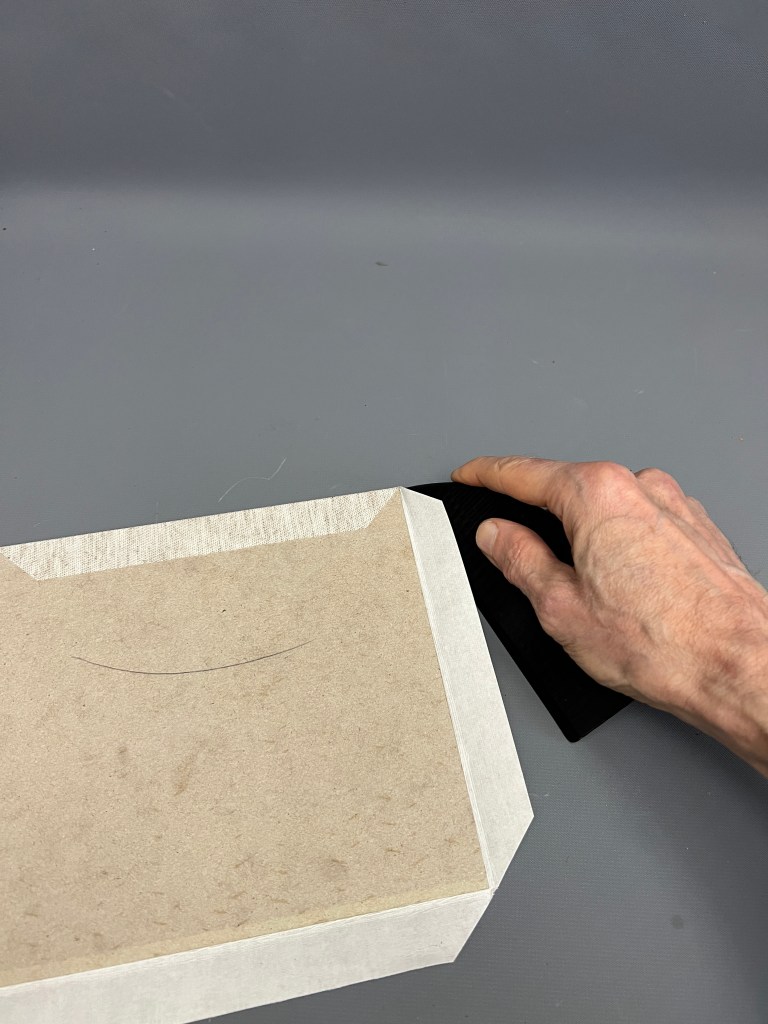
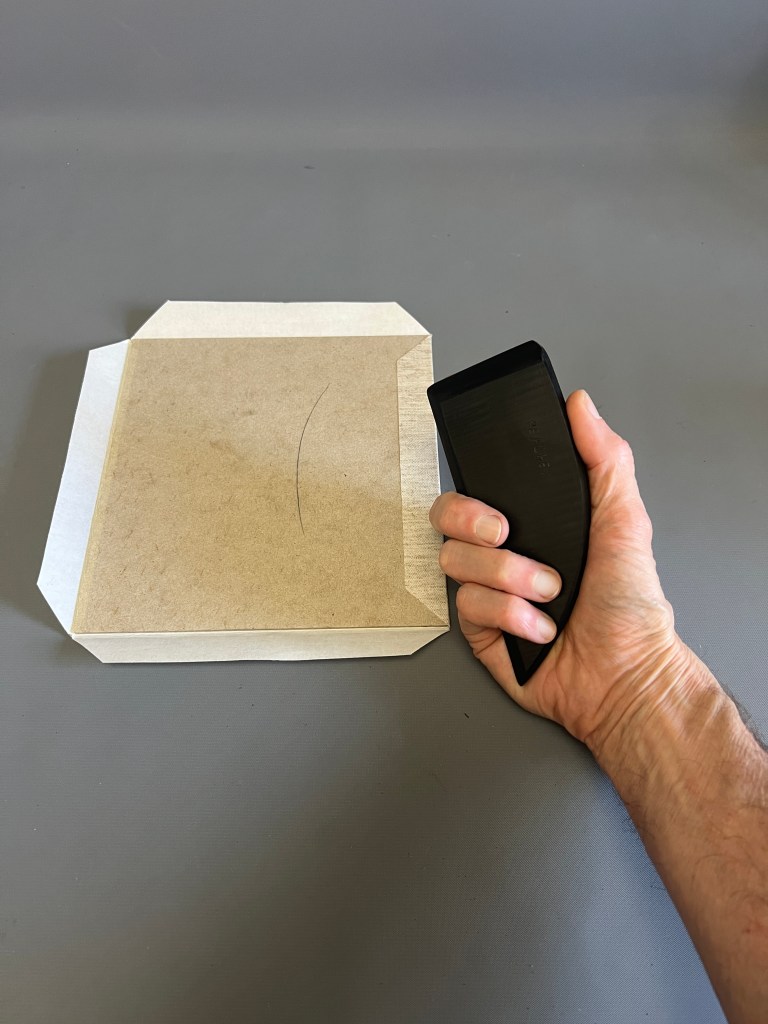
This Deluxe Delrin Spatula is an ideal hand tool for conservators in almost any discipline. Useful for pressure sensitive tape removal, delaminating, paint and emulsion consolidation, applying adhesive under detached layers, controlled pressing, excess adhesive removal, working under magnification, and more.
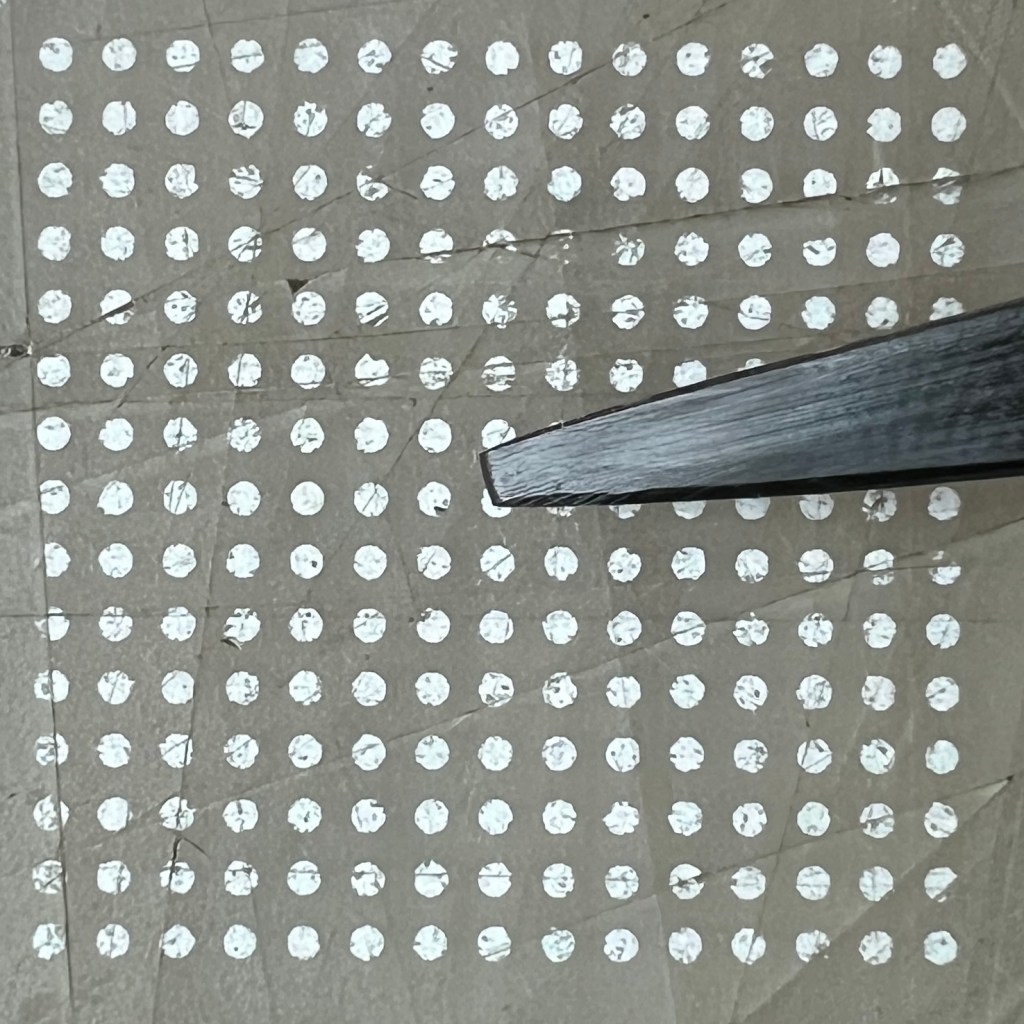
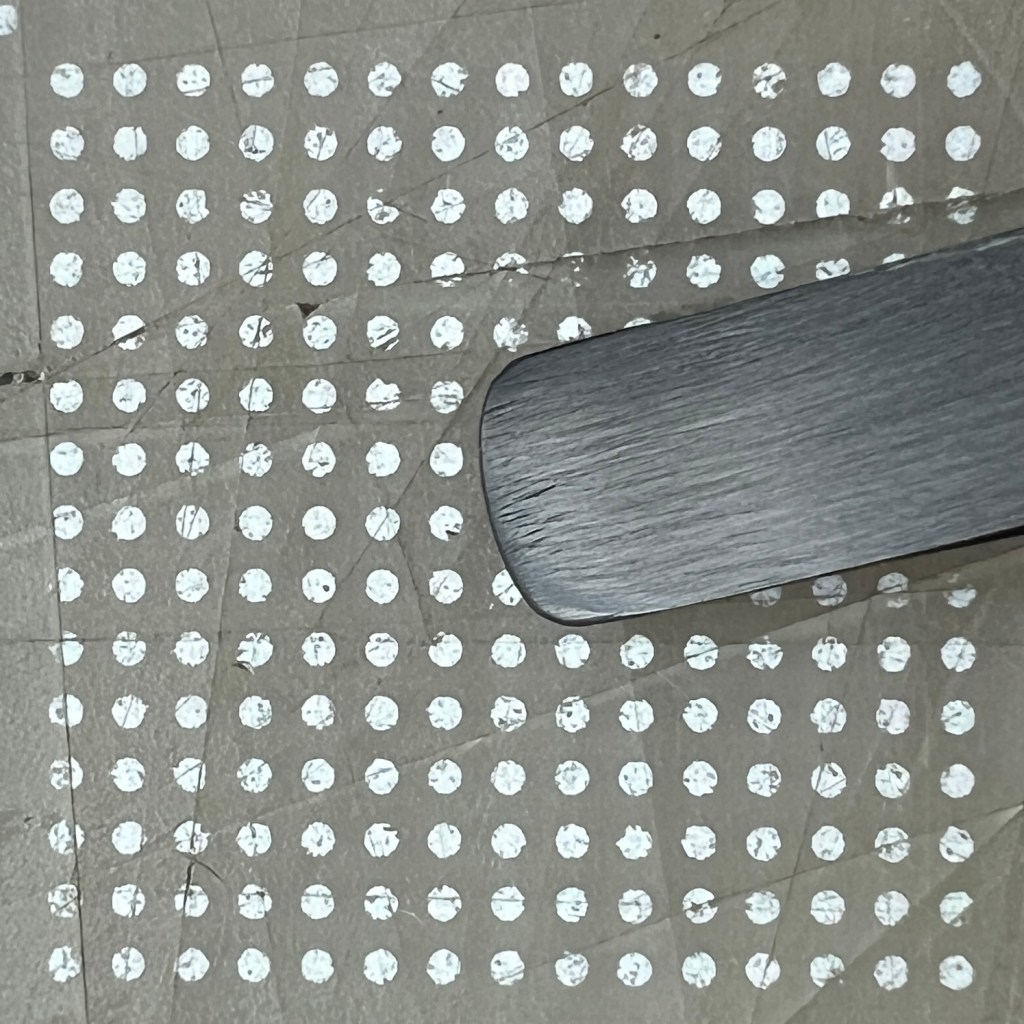
The thin tip — due to the wedge shape in the thickness — is great for applying minute amounts of adhesive. The flexible wide tip (see below) can direct pressure downward, and be used with a twisting motion to help pry off unwanted layers.
SMALL TIP. THE DOTS ARE ABOUT 1MM APARTLARGE TIP, ABOUT .15 MM THICKAT THE EDGE
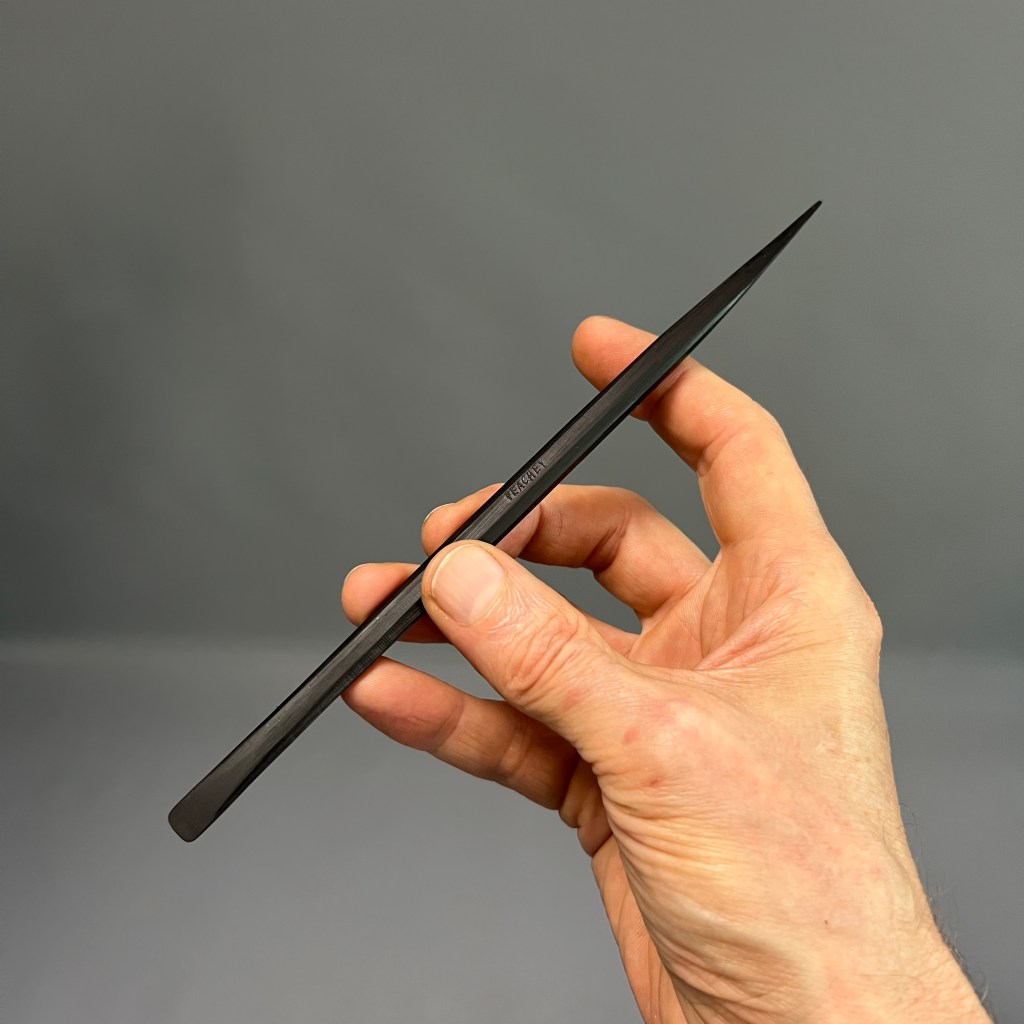
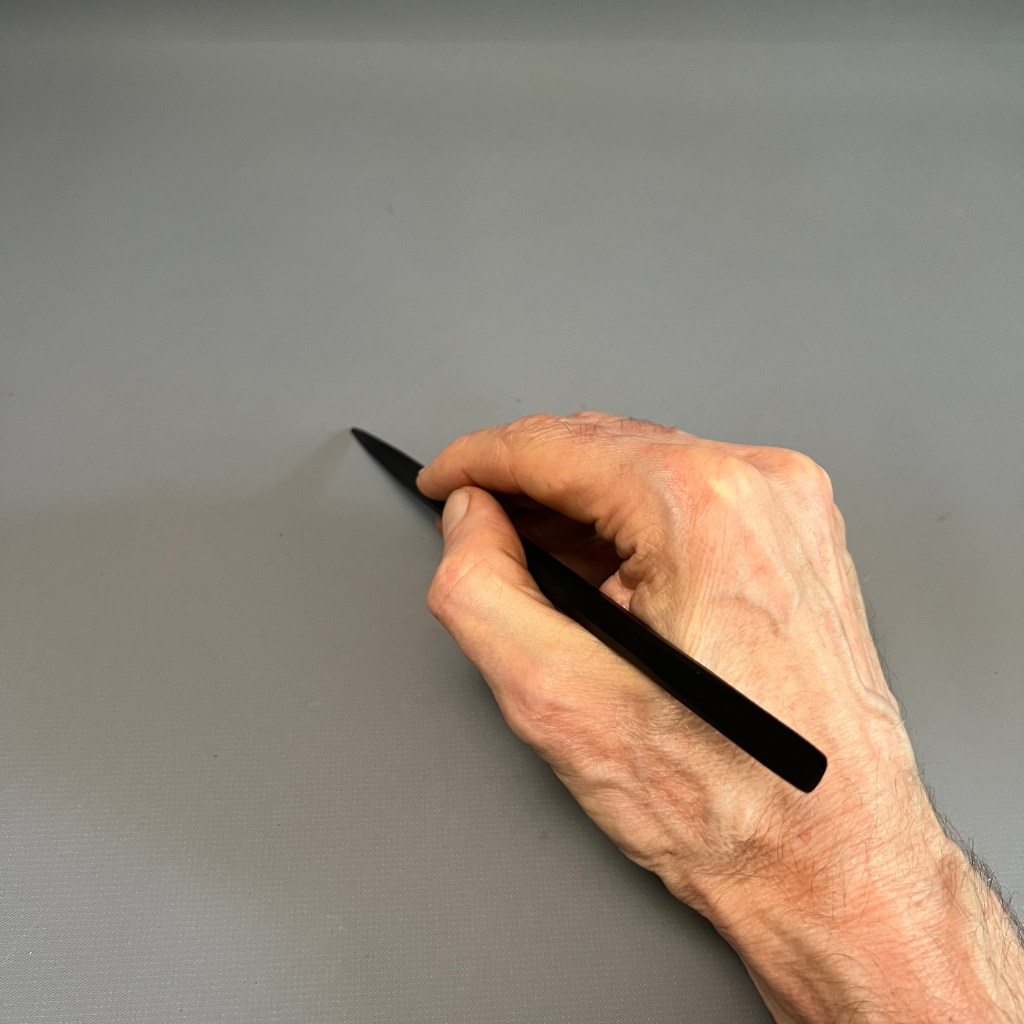
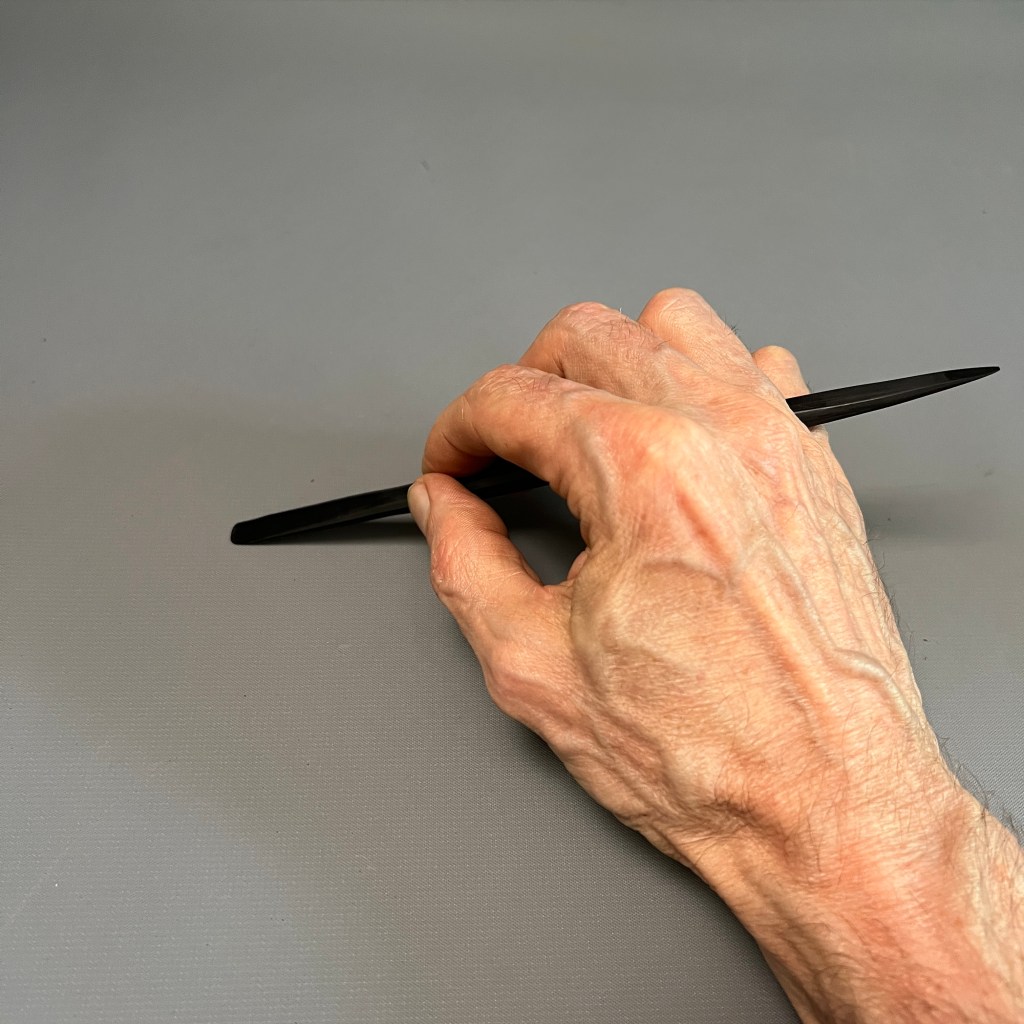
Delrin has a similar coefficient of friction as teflon, but is more abrasion resistant. Black delrin is harder than white delrin, likely due to the carbon, and stays sharp longer. The octagonal handle shape is comfortable in a writing or drawing hand position, and won’t roll off your work surface. Comes with a two stage sharpening kit and instructions to resharpen. The handle may feel familiar to some: it is the same diameter as a Rotring 600 mechanical pencil.
Black Delrin, octagonal handle, approximately 200mm x 8mm. Both tips are slightly flexible, with the small one about 1-2mm wide and blunt. The large tip is straight with sharp round corners, and about .15mm thick at the end.
For dust free Delrin finishing, we will use a cabinet scraper and wet sand.
Conservation Hand Tools: Making, Modifying, and Maintaining
Workshop Description
Most interventive conservation treatments are mediated through hand tools. Many of these tools had their origins in particular craft traditions; but conservators often modify them for particular uses. Tools become embodied in use, extensions of a conservator’s hand, sense of touch, and intention. Personal hand tools often become prized arrows in a conservator’s quiver.
This five day workshop emphasizes simple and safe methods of working hardened tool steel, stainless steel, Delrin, wood, and bamboo. Progressively more difficult techniques will be introduced during the week using primarily hand tools. This workshop will be tool-centric; for example, hand sawing — with the appropriate blade and technique — will be used for all the materials introduced. Choosing materials appropriate to the desired task will be emphasized. Possibilities include tools for cutting, folding, prying, delaminating, lifting, scraping, and burnishing.
Participants will complete a number of tools of their own design during this workshop. Examples of common existing tools — such as delaminating or lifting tools — will be provided as prompts. One goal is to free participants from the plethora of misinformation and mystique that surrounds knife sharpening, and learn fundamental freehand techniques applicable to any edge tool. Another is to gain competence in mechanical problem solving and practical hand tool use. Participants are encouraged to bring their own tools for discussion, possible modification, and repair.
Making tools is engaging, fun, and useful. It is also highly addictive. Consider yourself warned.
Workshop topics
• Basic tool use for stock reduction: sawing, filing, abrading, scraping, drilling, tapping
• Understanding what makes something sharp, efficient hand sharpening
• Tool design and mechanical thinking in general
• Making a high carbon, M2 tool steel knife by stock reduction
• Differences and similarities in shaping Delrin, Wood, Bamboo, and steel
• Tool handles, sheaths, and handle ergonomics
• Connoisseurship of vintage tools and tool maintenance
• Safe use of power tools
Please join us for an intensive toolmaking week at Emory University October 7-11, 2024!