New Tool! Deluxe Delrin Spatula

Last month I taught a toolmaking class at the University of Cincinnati, and Ashleigh Ferguson — rare book and paper conservator and Co-lab manager — made a beautiful “Griffin” spatula which I coveted. Rather than steal her tool, I developed my own version. Her tool helped me reexamine some long-held negative opinions about double ended tools.

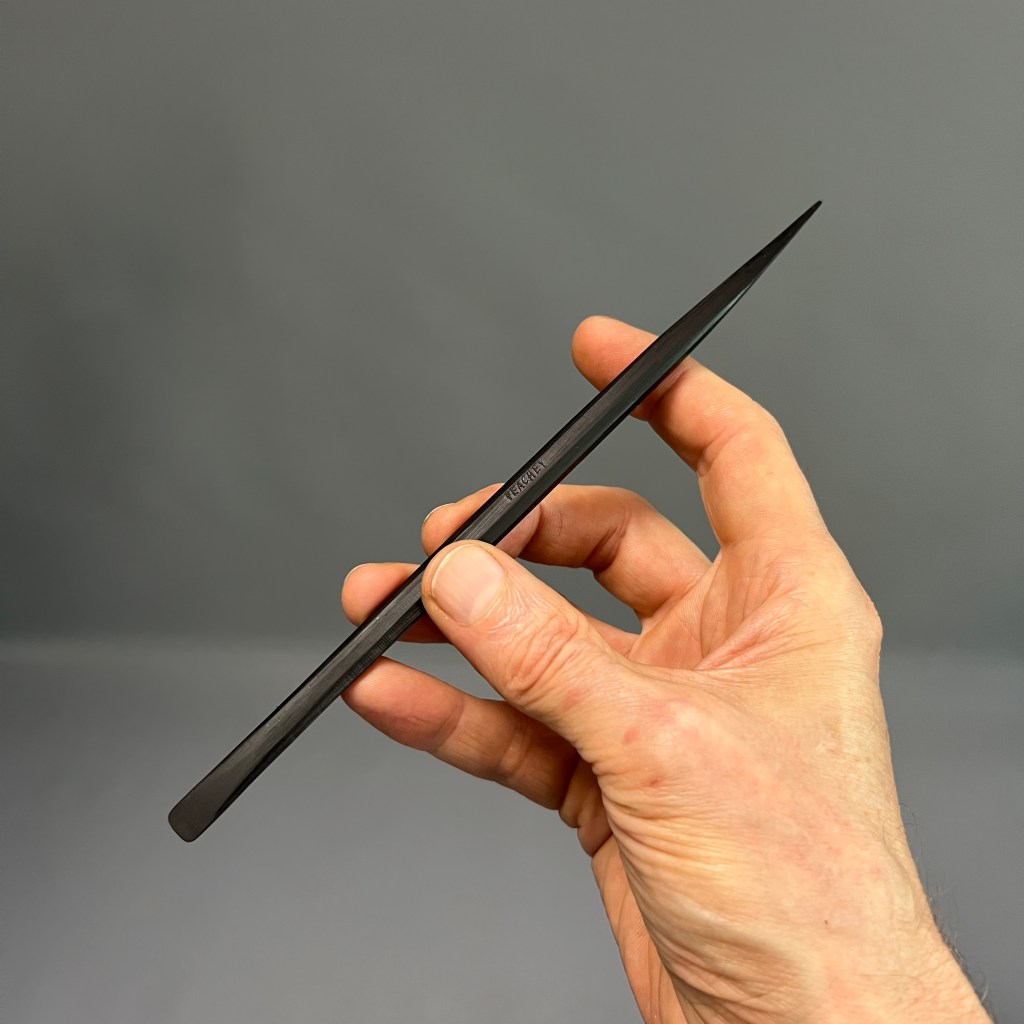
This Deluxe Delrin Spatula is an ideal hand tool for conservators in almost any discipline. Useful for pressure sensitive tape removal, delaminating, paint and emulsion consolidation, applying adhesive under detached layers, controlled pressing, excess adhesive removal, working under magnification, and more.

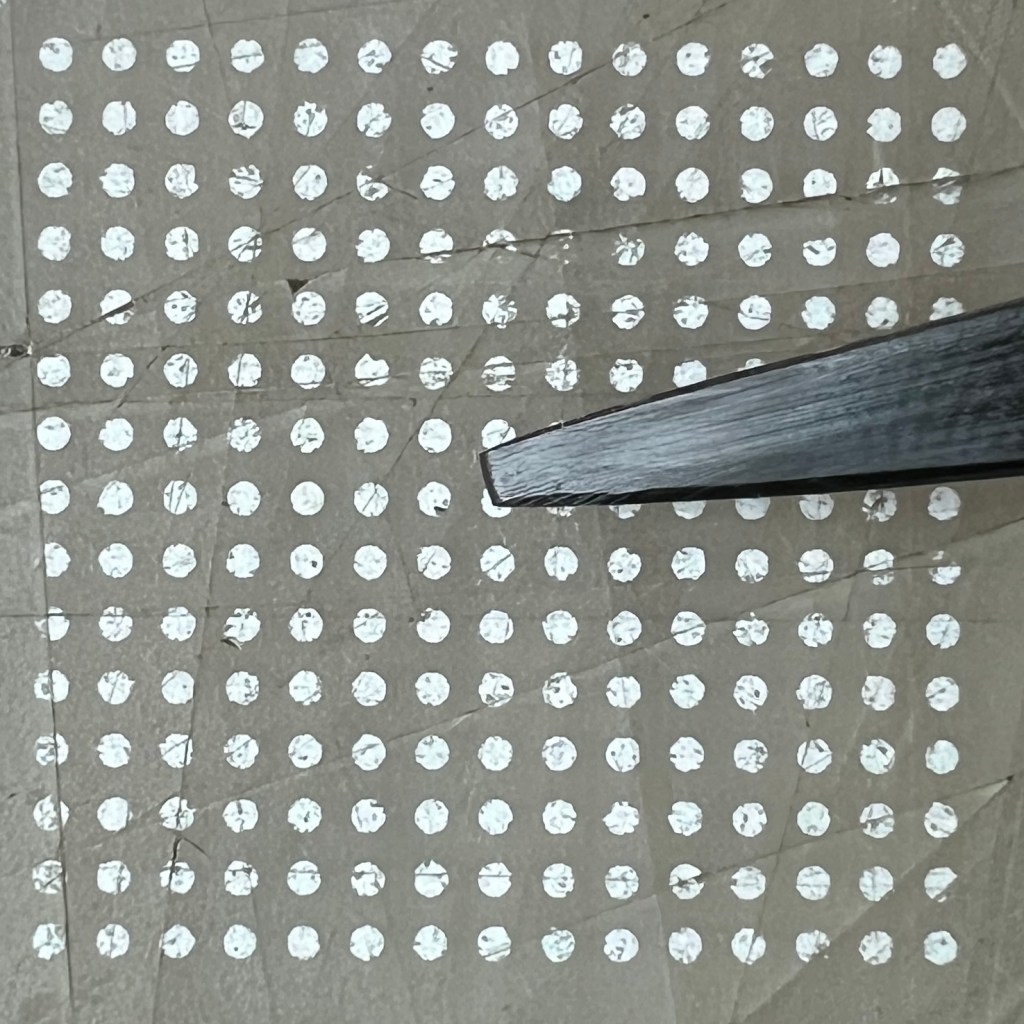
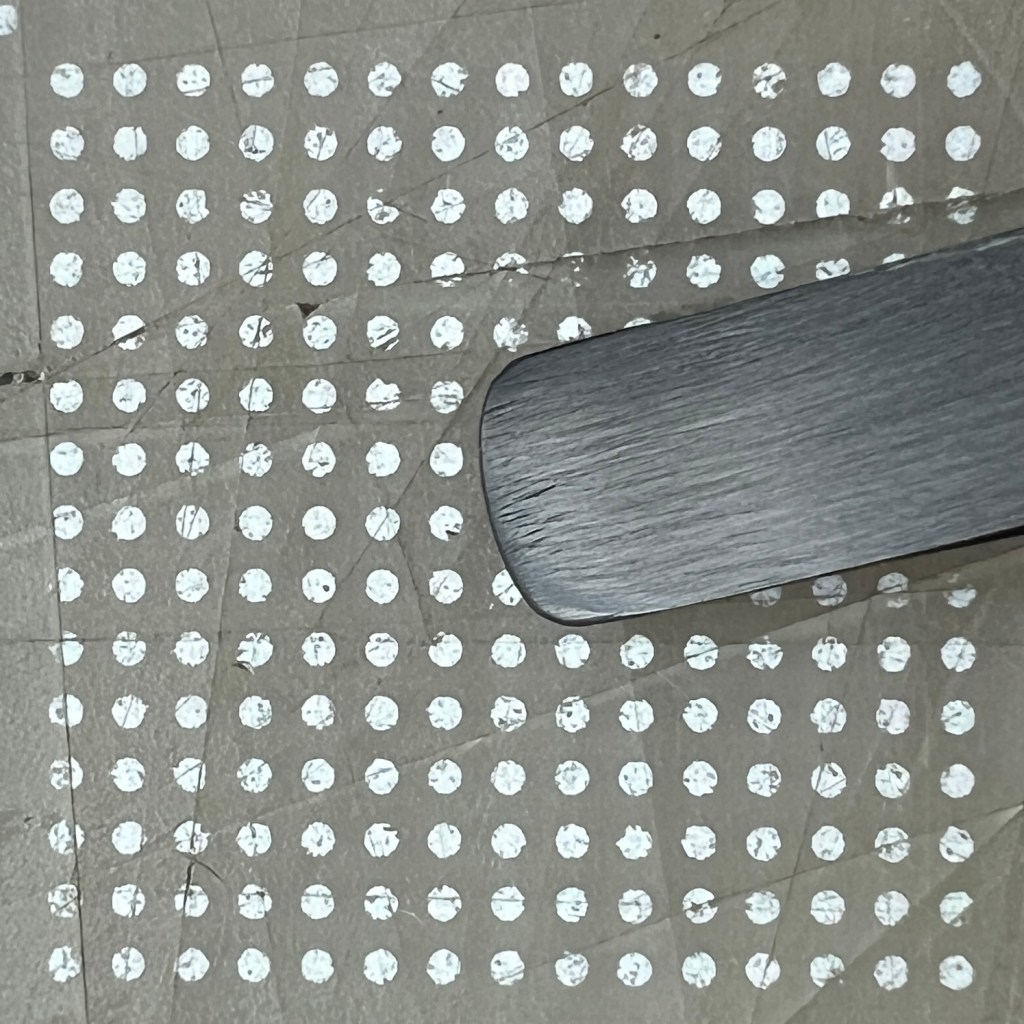
The thin tip — due to the wedge shape in the thickness — is great for applying minute amounts of adhesive. The flexible wide tip (see below) can direct pressure downward, and be used with a twisting motion to help pry off unwanted layers.

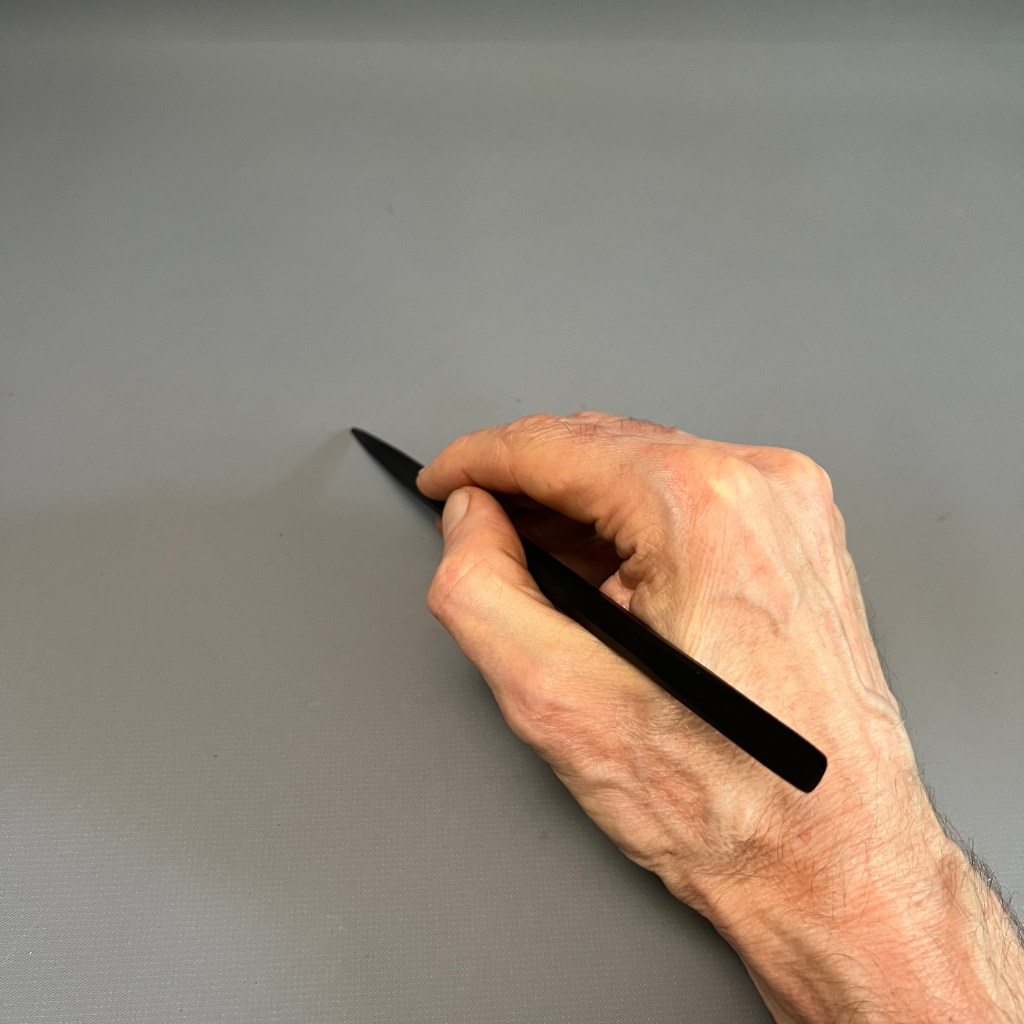
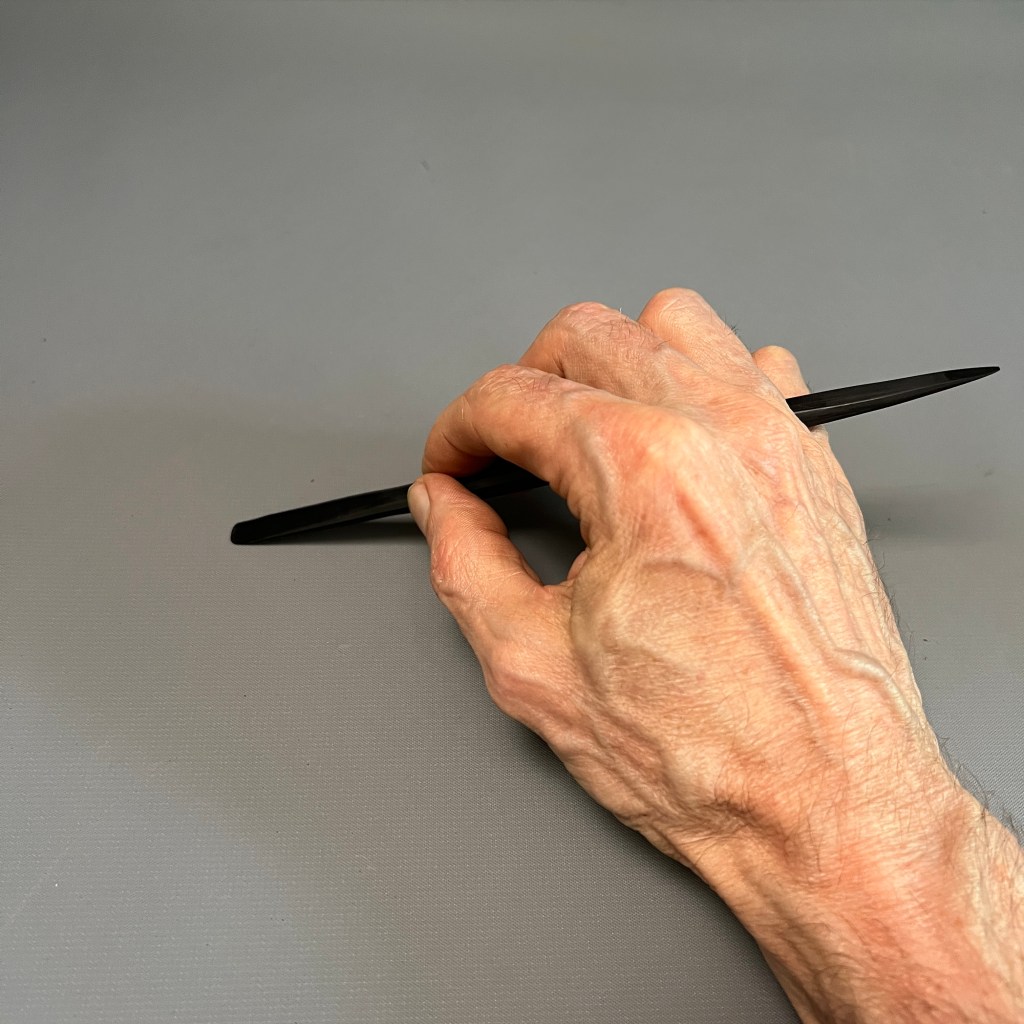
Delrin has a similar coefficient of friction as teflon, but is more abrasion resistant. Black delrin is harder than white delrin, likely due to the carbon, and stays sharp longer. The octagonal handle shape is comfortable in a writing or drawing hand position, and won’t roll off your work surface. Comes with a two stage sharpening kit and instructions to resharpen. The handle may feel familiar to some: it is the same diameter as a Rotring 600 mechanical pencil.

Black Delrin, octagonal handle, approximately 200mm x 8mm. Both tips are slightly flexible, with the small one about 1-2mm wide and blunt. The large tip is straight with sharp round corners, and about .15mm thick at the end.

Purchase here!

Or if you would like to make your own version, join us for a week-long toolmaking workshop at Emory University, October 7 – 11, 2024.

FREE UPCOMING EVENT! Live Q&A during a screening of “The Craft of Leather Paring”, Saturday Jan. 13, 12:00, noon, EST.

On Saturday at noon, I will answer questions live during the premier.

In November 2022, I performed virtually for The American Bookbinders Museum, demonstrating the hand paring of leather. I discuss the reasons for paring, show some historic paring examples, then demonstrate in detail the techniques and thought processes that paring leather involves. And of course I talk about the tools, using an M2 hybrid knife to demonstrate.

In a collaboration between myself, The American Bookbinders Museum, and Darryn & Carrie of DAS Bookbinding, the recording of this event has been edited to provide a concise overview of the subject that Arthur W. Johnson describes as “one of the most admired skills in bookbinding”. Video link, or sign up for a notification to watch.

During the presentation, I preform a bookbinders’ party trick of seeing how many sides of leather I can edge pare in a single strip. Any guesses? I hope to chat with some of you Saturday. Bring lots of questions!

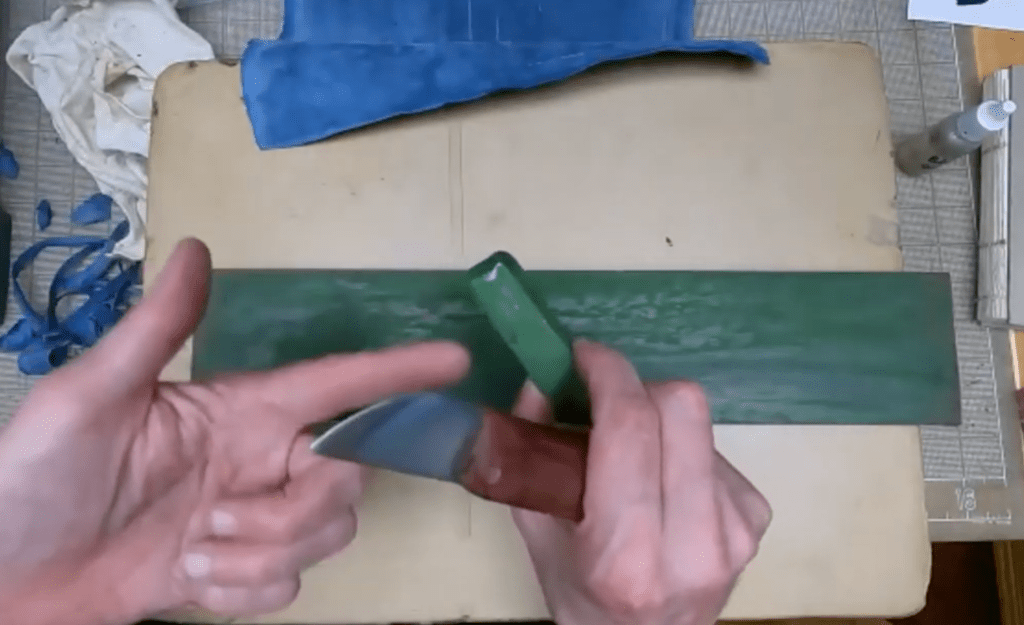
Stropping is an easy way to keep your knife super sharp. Preparation and use are demonstrated.

Thank you Darryn for the edits!

Just Published! “The Binder’s Curse: John Bradford and Early Nineteenth Century American Bookbinding” in Suave Mechanicals Vol. 8, The Legacy Press, 2023.

The Binder’s Curse: John Bradford and Early Nineteenth Century American Bookbinding, in Suave Mechanicals 8, The Legacy Press, 2023, 387 – 457.

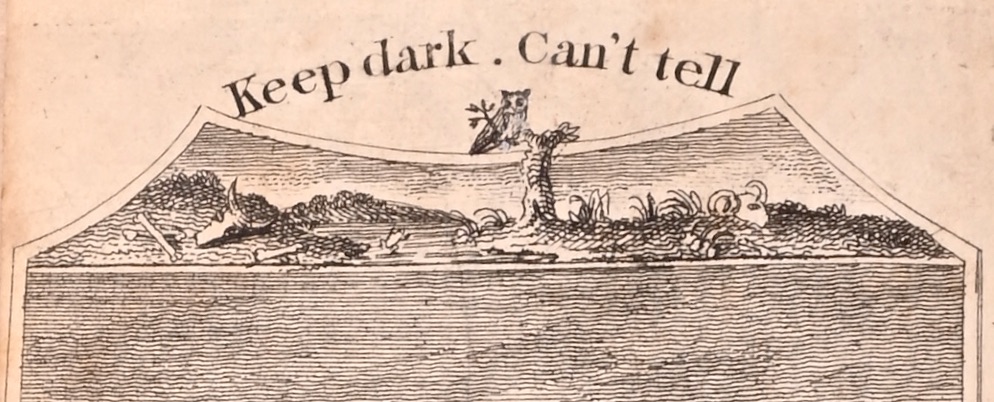
“Keep Dark. Can’t Tell” With these four words, 19th century NYC bookbinder John Bradford begins an extraordinary book of bookbinding related poetry and imaginative parody. Written records from craftsmen during this time are very uncommon. Writings from bookbinders are very, very uncommon.

Bradford’s well-known poem, The Binder’s Curse, contains an introduction which places it in the context of a trade dispute, which is not so well known. The full title of the book gives a hint at Bradford’s wacky worldview: The Poetical Vagaries of the Knight of the Folding-Stick of Paste-Castle and The History of the Garrett, &c. &c., Translated from the Hieroglyphics of the Society, by a Member of the Order of the Blue String, Printed for the Author, [New York], 1815. The title is not just poetic exaggeration; part of the text consists of — supposedly — translated and untranslated hieroglyphics.

“This world’s a huge bindery…” Bradford proclaims, decades before Mallarmé’s more famous dictum, that everything in the world exists to end up as a book.1 Bradford constantly reinforces this world-as-bindery cosmology: Did this guy ever think about anything but bookbinding? Yet these poems provides primary documentation of bookbinding techniques and tools: the first mention of a squaring shears, details of which tools the binder owns (Bradford was a journeyman his entire career) and which the master provided, the use of templates, and more. There is a lot of serious bookbinding history buried in his poems.

There are also less serious aspects, like some really cringey love poetry. “Her forehead is like a paste bowl / And smooth as a fine paring stone.” Anyone want to guess what body part is “white as wheat paste”?

Bradford gives us a sense of the working life of an early nineteenth century binder, including day-to-day annoyances, and trade politics, all written with his relentlessly quirky sense of humor. The poem “Receipt for binding a book” consists of the earliest comprehensive listing of the steps in American binding, which is analyzed in depth by comparing it with extant bindings and relevant bookbinding manuals of the day. Bradford’s poems provide a insight into an imaginative bookbinder working on the cusp mechanization, especially dealing with the importance of tool ownership and use.

Thanks to editor Julia Miller and publisher Cathy Baker of the Legacy Press. And congrats to all the other authors below! I can’t wait to read the other essays. Available soon from Oak Knoll Press.

KEEP DARK

Essays in Suave Mechanicals, Vol. 8.
DO NOT attempt this curse at home! Provided for informational purposes only. The beginning of “The Binder’s Curse” from The Poetical Vagaries of the Knight of the Folding-Stick…. 1815.
  1. Malarmé, “Les Livre, Instrument Spirituel,” Quant au livre, 1895. ↩︎